


I’m not just your elopement photographer; I’m also someone who helps the day move smoothly — from shaping a realistic timeline to helping you navigate the logistics that come with eloping somewhere meaningful to you.
That support means you don’t have to hold everything in your head. You’re not worrying about where to be next or whether you’re running behind. You’re able to stay present, knowing the day has been thoughtfully planned and there’s space for it to unfold naturally.
Elopement photography isn’t about chasing a highlight reel or recreating moments for the sake of a photo. It’s about documenting what actually happens — the laughter, the nerves, the quiet pauses, and the way the day feels while you’re in it.
And while portraits are part of that story, they’re only one piece. Elopement photography is about capturing the full experience, not just how it looks at its most polished.
6 Types of Photos I Take During an Elopement
The Candid Moments
Elopement photography works best when moments aren’t staged.
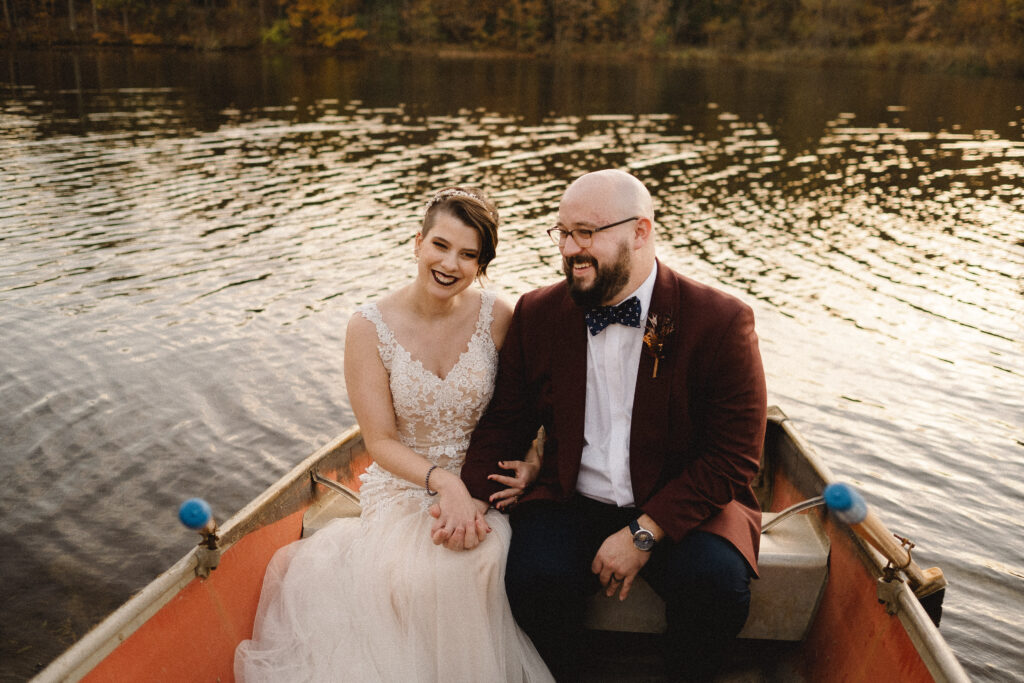
The small, in-between interactions are often what tell the clearest story—glances that don’t need explaining, quiet laughter, the way you pause together and take in what’s happening.
Those unplanned moments are the foundation of elopement photography. They reflect who you are and how the day actually unfolded, without asking you to perform or recreate anything.
When you look back through your gallery, you’re not just seeing how the day looked. You’re seeing how it felt.
The Emotions
Elopements tend to hold more emotion than people expect.
There’s anticipation, nerves, relief, excitement—sometimes all within the same hour. Without the structure of a traditional wedding day, those emotions aren’t filtered or delayed. They move through naturally, in real time.
Elopement photography is about noticing those shifts as they happen. The quiet moments before your vows. The release afterward. The expressions you don’t even realize you made until you see them later.
That’s often when couples recognize how much they experienced in such a short span of time—and how meaningful it was.


Your First Look
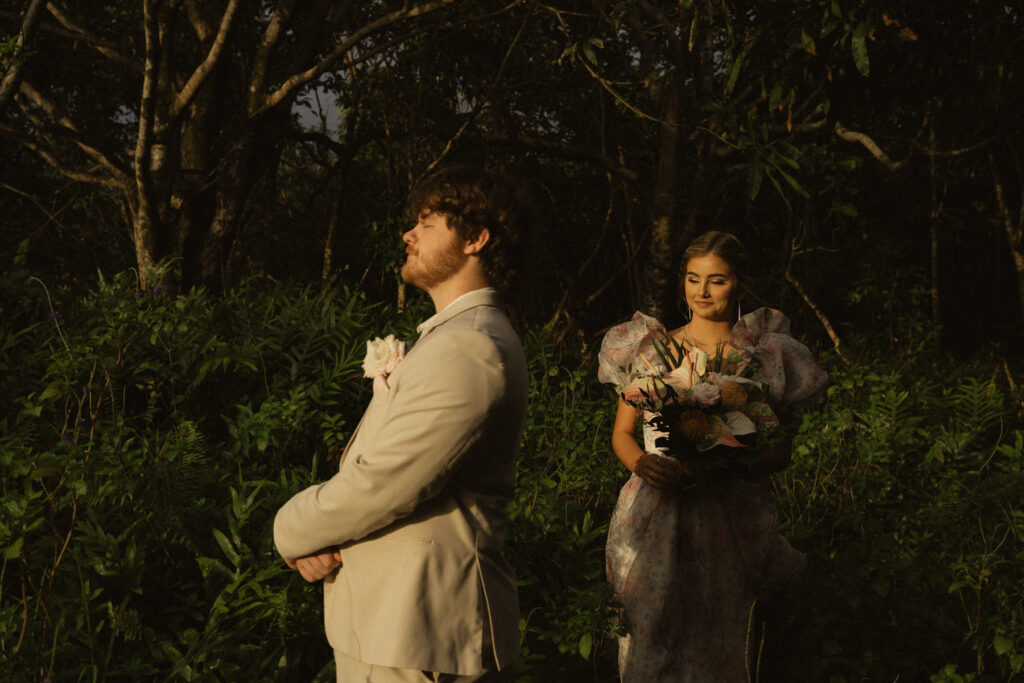
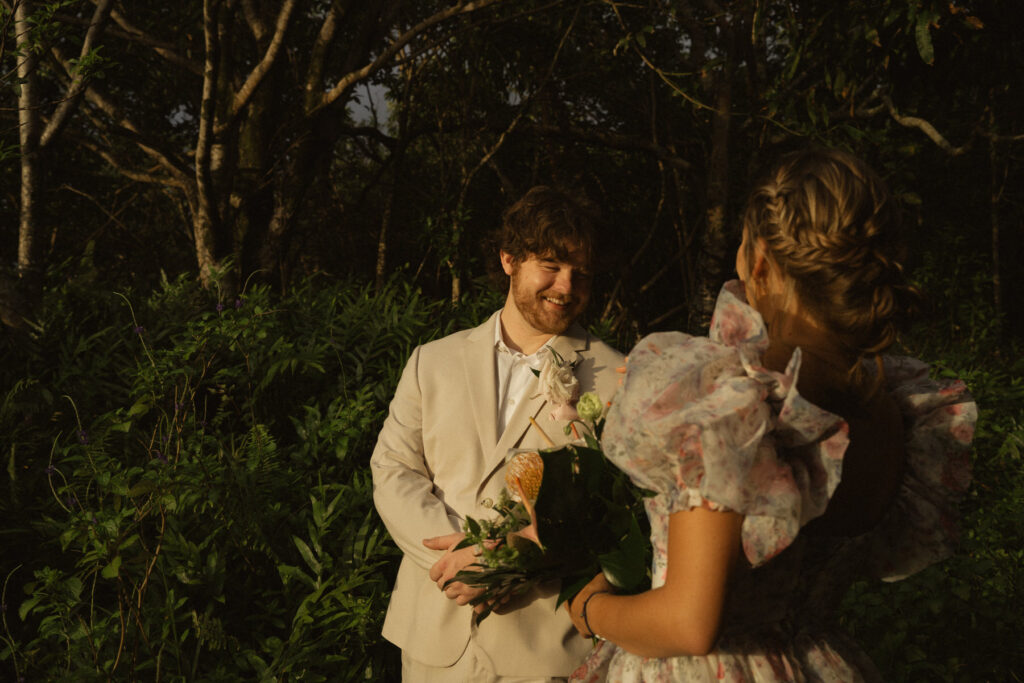
Whether you choose a private first look or see each other for the first time during the ceremony, this moment carries weight.
Eloping often allows for more space here. No audience. No rush. Just time to connect before everything else moves forward.
My role during moments like this is simple: to observe without interrupting. Nothing is directed or forced. The reactions that unfold are your own, and elopement photography works best when those moments are left intact.



Personal Vows
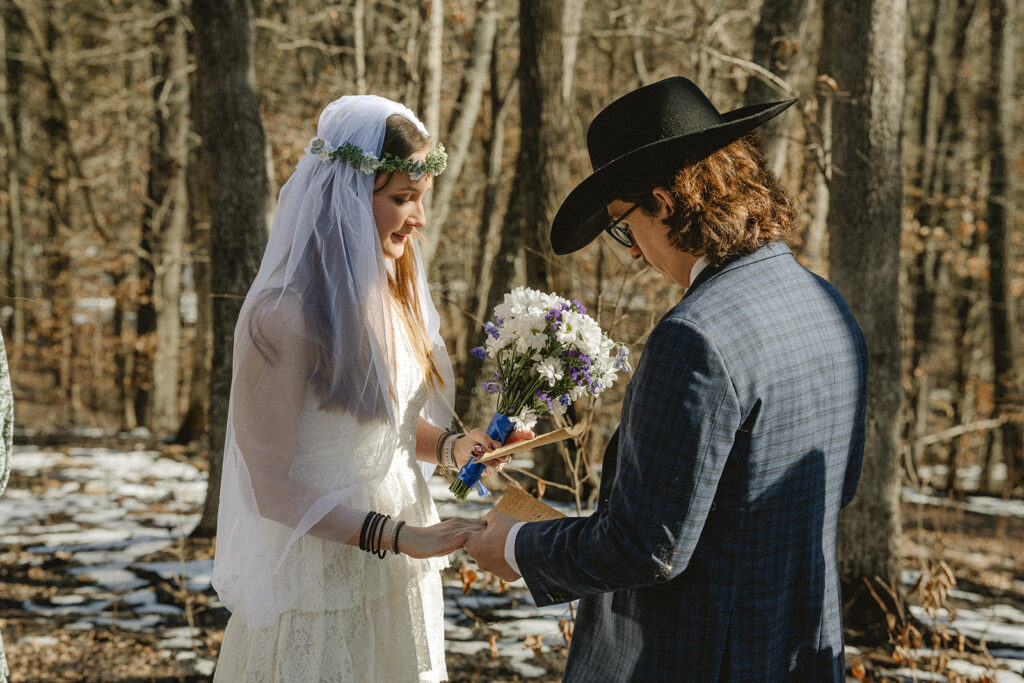
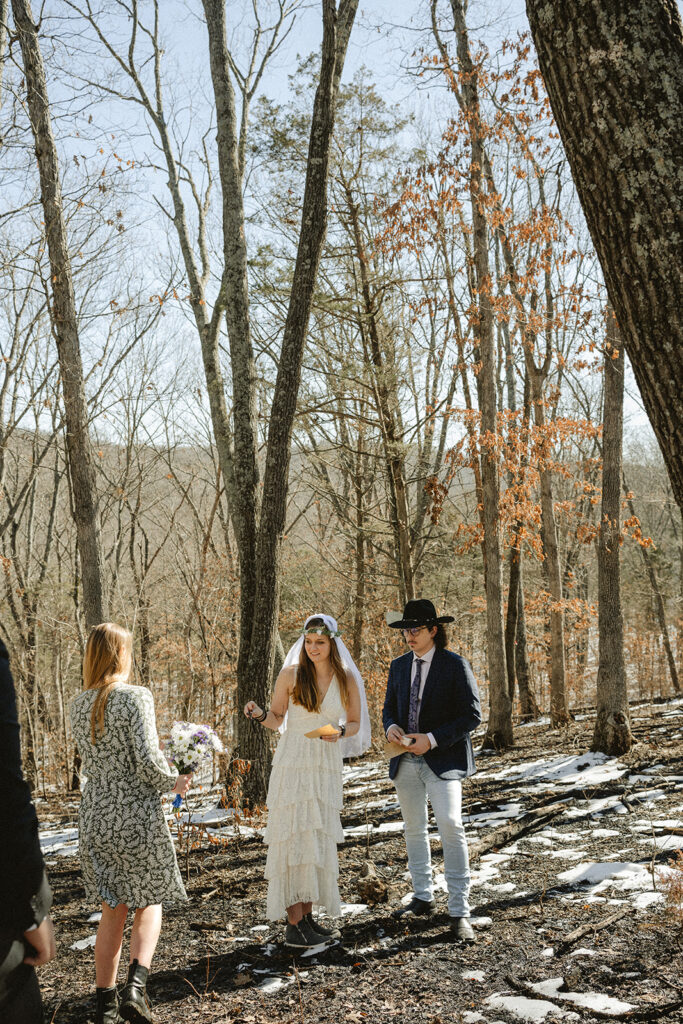
Personal vows are often one of the most grounding parts of an elopement.
They’re not about performance or delivery. They’re about saying something meaningful, in your own words, without distraction.
Whether your vows are emotional, lighthearted, or somewhere in between, they tend to anchor the day. Elopement photography during this part of the ceremony focuses on the exchange itself—the words, the expressions, and the way you respond to one another as you make those promises.
These are often the images couples return to most.

The Moments That Mark the Day
Elopement days are made up of moments that quietly mark what you’ve just done.
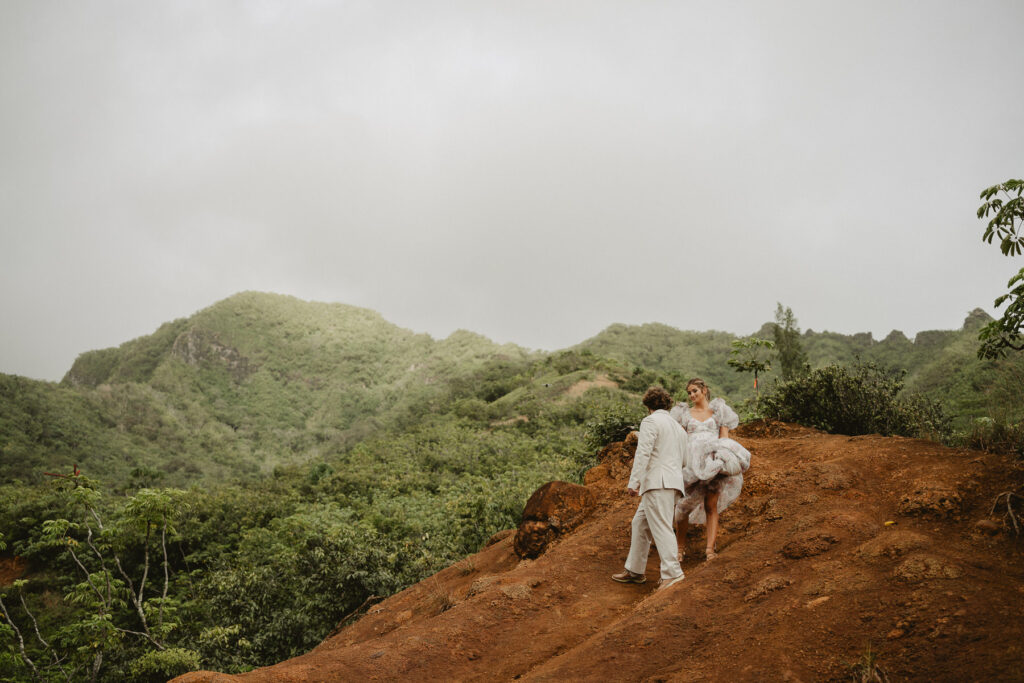
Reaching the end of a trail. Standing together after the ceremony. Sitting down, finally, once everything sinks in.
These moments aren’t always dramatic, but they carry meaning. They reflect effort, intention, and the feeling of having arrived somewhere—both physically and emotionally.
Elopement photography gives those moments the same care as the ceremony itself, because they’re part of the story too.





The Activities That Make the Day Yours
An elopement isn’t only about the ceremony. It’s about how you spend the rest of the day together.
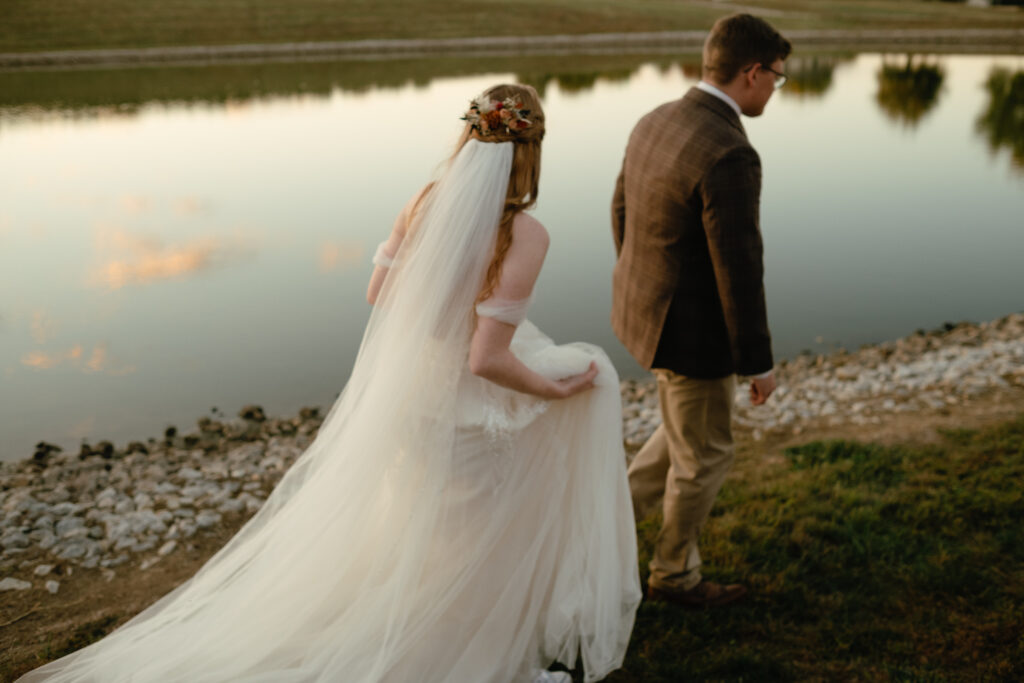
That might look like walking through the desert, sharing a meal, stargazing, or doing something that feels familiar and grounding to you as a couple.
Elopement photography documents these moments as they happen, without needing to label them as “activities” or build them into a schedule. They matter because they’re part of how the day unfolds—not because they’re impressive.
When you look back, those images often say the most about what the day was actually like.
But isn’t an elopement meant to be intimate?
It’s common for couples to wonder whether having a photographer present will change the intimacy of an elopement.
That concern makes sense. An elopement is, by nature, personal—and the idea of adding another person to the space can feel like it might shift the dynamic.
Elopement photography doesn’t work by stepping into moments or directing them. It works by paying attention without interrupting. Knowing when to move closer and when to give space is part of the job, as is understanding how to let moments unfold without inserting yourself into them.
Over time, couples tend to stop noticing the camera altogether—not because they’re trying to ignore it, but because the day is unfolding naturally. The focus stays on the experience itself, and the photography becomes something that quietly documents it rather than shaping it.
That balance is what allows elopement photography to feel intimate while still preserving the honesty of the day.
Are you ready to book your elopement photography?
By this point, it’s usually clear that elopement photography is about more than portraits or scenery.
It’s about documenting the full experience—how the day moved, where time slowed down, and what the moments felt like as they happened. The images that matter most are often the ones you didn’t anticipate, because they weren’t planned—they simply unfolded.
If you’d like to learn more, you can explore what it’s like to work together or read more about planning an elopement that’s centered on experience rather than production.
Those resources are there if and when they’re useful.


