

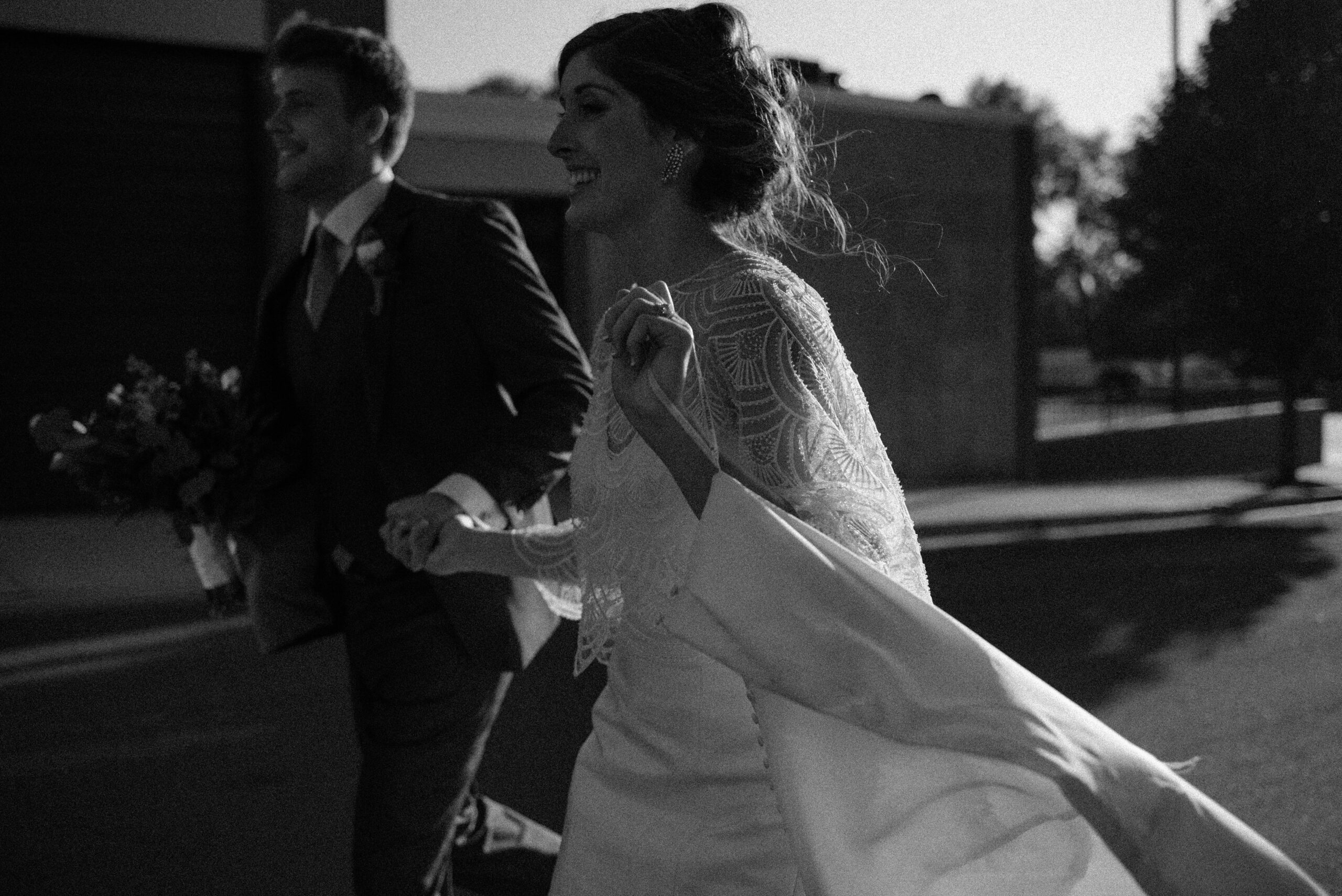
Choosing an elopement photographer is different from choosing most other vendors.
You’ll spend more time together than with anyone else involved in your day, often in quiet, personal moments. That’s why it matters that you feel comfortable—not just with someone’s work, but with how they move through the day with you.
This page is a straightforward look at what working with me as your elopement photographer actually feels like, so you can decide whether it’s the right fit.

What to Expect From Me
- A Calm, Observational Approach
- Letting the Story Unfold
- Capturing the Full Range of the Day
- Support Without Pressure
- Comfort Matters
- Guidance Before, During, and After the Day
- A Documentary Approach to Elopement Photography
A Calm, Observational Approach
I’m not someone who brings extra energy into the space. I’m quiet, steady, and intentional about how I show up.
That tends to be helpful on elopement days, where couples are already navigating big emotions, unfamiliar places, or meaningful moments they want to stay present for. My role is to reduce friction, not add to it—to keep things grounded so the day can unfold naturally.
You don’t need someone hyping you up. You need someone who knows when to step back and let things breathe.
Letting the Story Unfold
Elopement days don’t need to be directed to be meaningful.
I pay attention to the details as they happen—the small interactions, the shifts in mood, the moments that aren’t planned but matter anyway. That awareness means nothing important gets missed, even when it’s subtle.
Elopement photography works best when it follows the day instead of steering it. The result is a gallery that reflects what actually happened, not what was staged to look good.
Capturing the Full Range of the Day
Elopements often carry a lot of emotional range in a short amount of time.
There’s anticipation, relief, excitement, quiet focus—sometimes all within the same hour. My role as an elopement photographer is to notice those transitions as they happen and document them without interrupting or amplifying them.
That includes the obvious moments, like your ceremony, and the quieter ones—reaching the end of a trail, sitting together afterward, or taking a breath once everything sinks in.
Those moments are part of the story too.
Support Without Pressure
While my presence is calm, that doesn’t mean you’re left to figure things out on your own.
I offer guidance when it’s useful—whether that’s helping you feel at ease during portraits, suggesting a pause when the timeline allows for it, or quietly keeping things on track behind the scenes.
The goal is never to perform for the camera. It’s to create space where you feel comfortable enough to be yourselves, knowing the day is being handled with care.
Comfort Matters More Than Chemistry Buzzwords
You don’t need your elopement photographer to be your best friend.
What matters more is that you feel at ease. That there’s mutual respect. That you’re not worried about being watched or directed in moments that are meant to be private.
I keep my distance when appropriate, step in only when needed, and always respect when couples want time alone. That balance is what allows elopement photography to remain intimate rather than intrusive.

Guidance Before, During, and After the Day
Elopement photography doesn’t start on the wedding day.
Beforehand, I help couples think through timelines, locations, and logistics in a way that supports a smooth, realistic experience. During the day, I’m paying attention to pacing and flow so you don’t have to. And afterward, I’m focused on delivering a gallery that reflects the day honestly and cohesively.
That continuity is part of what makes the experience feel supported rather than fragmented.
If you’re interested in planning resources, you can explore my elopement planning guide or my location-specific guides for Joshua Tree and Palm Springs.
A Documentary Approach to Elopement Photography
My approach to elopement photography is documentary at its core.
That means the focus is on real moments rather than posed ones, and on experience rather than performance. Most couples who choose to elope are doing so because they want to avoid the pressure and spectacle of a traditional wedding day.
Documentary photography aligns naturally with that choice. It allows the day to remain intact, while still being thoughtfully documented.
When you look back at your photos, the goal isn’t to see a version of the day that was created for the camera—it’s to recognize the day as it actually happened.
Choosing the Right Elopement Photographer
The right elopement photographer isn’t just someone whose work you like. It’s someone whose approach matches how you want your day to feel.
If you value calm over chaos, presence over performance, and documentation over direction, this may be a good fit.
If you’d like to continue exploring, you can learn more about working together or dive into resources on planning an elopement that prioritizes experience.
Those links are there when you’re ready.


