


A flexible approach to planning your elopement day
Planning an elopement timeline doesn’t mean filling every hour or squeezing meaning out of the day.
Most couples choose to elope because they want less structure, not more. But once planning starts, it’s easy to feel like you still need a “perfect” timeline — one that “maximizes time” and accounts for light, locations, and enough moments to justify the decision. That pressure can quietly turn an elopement into the very thing you were trying to avoid.
A well-planned elopement timeline isn’t about doing the most. It’s about creating enough structure to feel supported, without over-planning the day or building it around photos. When the pacing is right, the day has room to breathe — and the moments you care about happen naturally.
This approach isn’t about maximizing your elopement. It’s about shaping a timeline that supports presence, flexibility, and how you actually want to spend your wedding day.
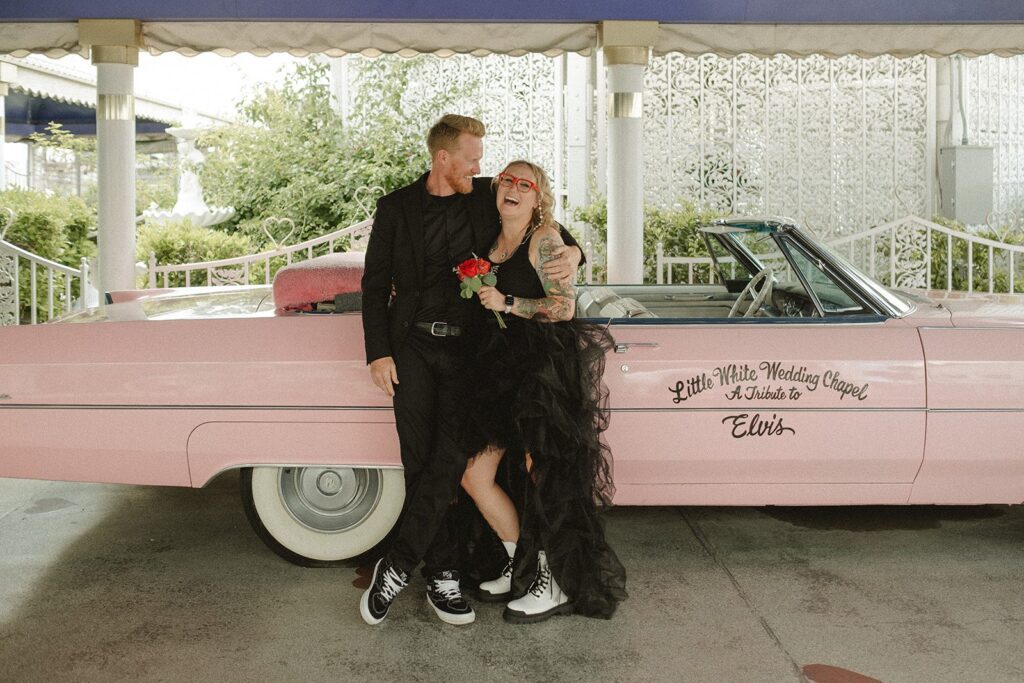
An Elopement Timeline Is About Flow, Not Filling Time
An elopement timeline isn’t meant to maximize the day or squeeze meaning out of every hour. It exists to support how you want to feel while you’re living it.
Most couples choose to elope because they want less structure, not more. But once planning starts, it’s easy to slip back into old habits—worrying about light, locations, and whether you’re “using the time well.” That pressure can quietly turn an elopement into the very thing you were trying to avoid.
A good elopement timeline offers just enough structure to feel grounded, without dictating how the day should unfold. When the pacing is right, there’s room to slow down, change plans, and be present—without feeling like you’re behind or missing something.
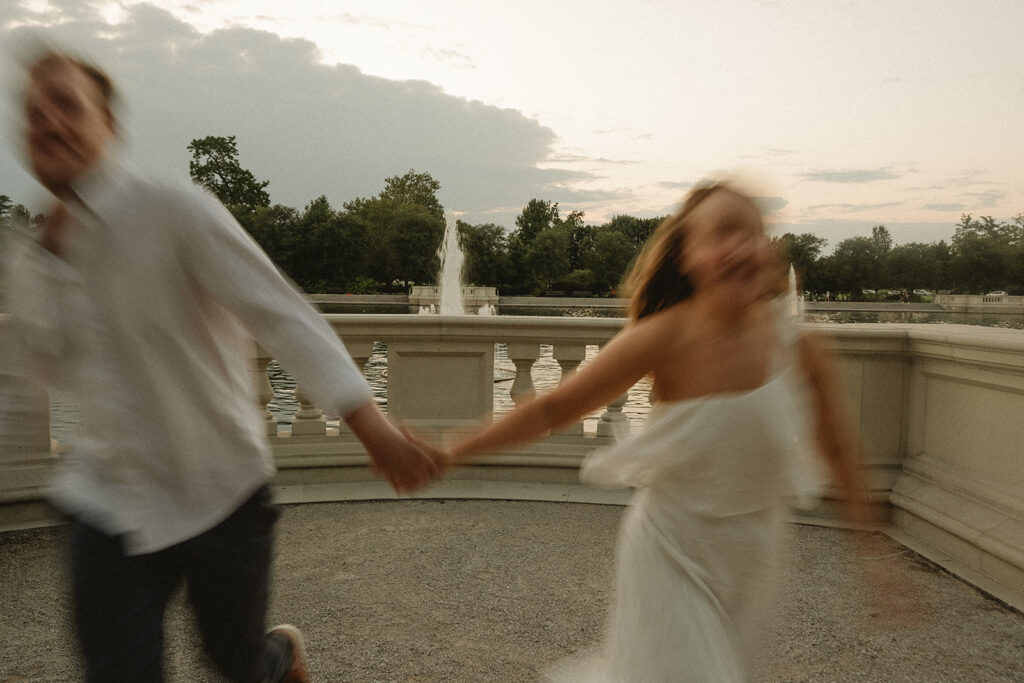
How Elopement Days Usually Unfold
There’s no single way an elopement day should look. But in practice, many days follow a similar, natural rhythm—not because they’re planned that way, but because it’s what feels most human.
When It Starts to Feel Real
Elopement coverage often begins in the quiet moments in the tail end of getting ready — when you’re getting dressed, adjusting the final details, and realizing that this is actually happening.
This part of the day is less about preparation and more about transition. It’s when nerves surface, emotions settle in, and the weight of the decision starts to feel real. People slow down. Conversations soften. There’s often a pause before stepping into the rest of the day.
Some couples get ready together. Others take this time separately. Both can be deeply meaningful. What matters isn’t documenting every step, but being present for the moment where anticipation turns into experience.
A Low-Key First Look (Or None at All)
First looks aren’t mandatory, and they don’t need to be produced.
If you choose to see each other before the ceremony, it often happens naturally — at your Airbnb, outside, or somewhere nearby — without prompts or choreography. And if you’re already together, that’s just as valid. There’s no requirement to create a moment for the sake of tradition.
The goal is easing into the day in a way that feels natural, not staged.
Intentional Time Together (AKA “Portrait Time”)
This part of the day is often labeled as “portraits,” but that word misses the point.
This is simply time together — walking, sitting, wandering, talking, or doing something familiar in a place that feels meaningful. It’s less about what you’re doing and more about the intention behind it.
When the focus shifts away from being photographed and back to being present, the day starts to feel like it actually belongs to you.
Don’t do it for the ’gram. Do it for your own memories.
The Ceremony Lives Within the Day — Not at the Center of It
The ceremony doesn’t need to anchor the entire timeline.
Some ceremonies are brief and quiet. Some happen mid-day. Some happen later, after time has already been spent together. Sunrise and sunset aren’t defaults — they’re options, and not always the best ones.
Instead of asking when the light is “best,” it’s often more helpful to ask when the moment will feel calm and unrushed. The ceremony fits into the flow of the day, not the other way around.
An Unforced Ending
Elopement days don’t need a formal conclusion.
Some couples share a meal. Some rest. Some celebrate. Some do very little at all. Coverage usually ends when the day feels complete — not when a box has been checked.
The same intention that shapes the rest of the day applies here too: unhurried, flexible, and grounded in what feels right.
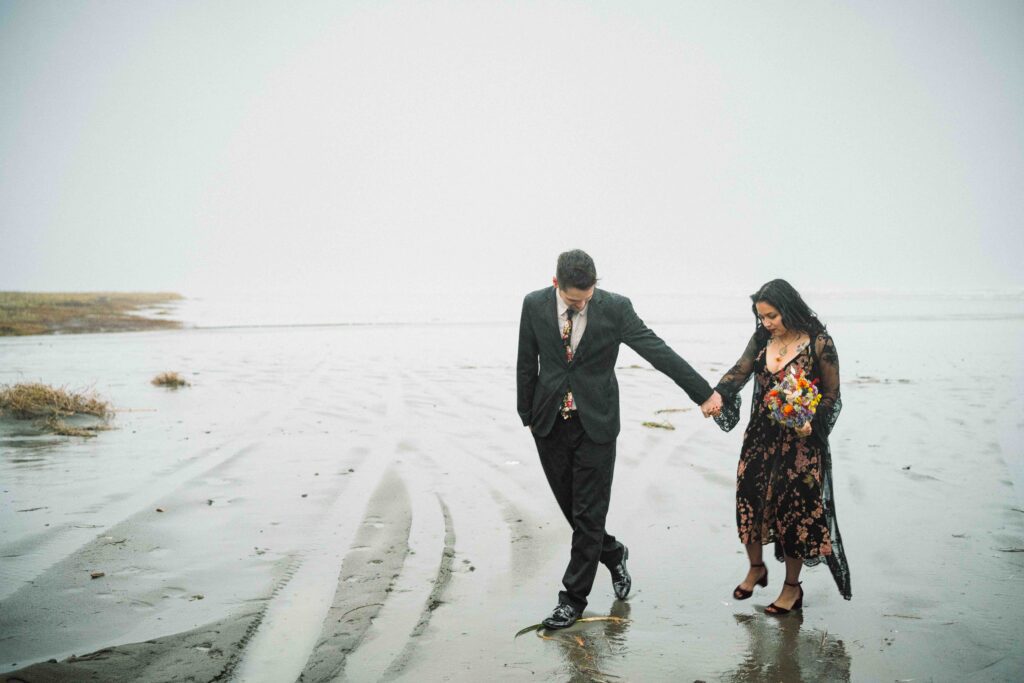
Why Sample Timelines Rarely Help
It’s tempting to look for examples — someone else’s schedule, someone else’s day — to figure out what yours should look like.
But sample timelines often create more pressure than clarity. They can make it feel like you’re supposed to follow a formula, hit certain moments, or prove that your elopement was “worth it.”
Instead of copying someone else’s timeline, it’s more helpful to think in terms of pacing. How much time do you want together? Where do you want space? When do you want to slow down?
Those answers matter more than exact times.
Photography Coverage That Supports the Way You Want to Feel
Coverage isn’t about documenting everything — it’s about removing pressure.
Having enough time means you don’t have to rush, manufacture moments, or worry about what’s next. It allows the day to unfold naturally, without the need to fill every hour.
Some couples want a fuller arc of the day. Some want a few meaningful hours. Both are valid. The right choice is the one that lets your wedding day feel present, flexible, and genuinely yours.
If this approach resonates, I’d love to talk about how we can shape an elopement day that feels the same way — intentional, unforced, and grounded in how you actually want to spend your time.
You can reach out here to start the conversation.
If the idea of letting go of the photoshoot mentality resonates, this post explains that philosophy in more depth.
ELOPEMENT RESOURCES
California Elopement Laws: A Quick Guide to Getting Married in California


