


Eloping in California gives couples something many traditional weddings don’t: space. Space to slow down, choose a setting that feels right, and build a wedding day around experience rather than expectation. Space gives you room to breathe.
From deserts and coastlines to forests and mountain towns, California offers a wide range of locations for elopements of all styles. But knowing how to elope in California—legally and logistically—helps the day feel calm instead of overwhelming.
If you’re trying to figure out how to elope in California without turning it into a production, this guide is meant to help you orient—not overwhelm. The goal isn’t to do everything. It’s to do what matters, simply and intentionally.
Deciding What You Want Your Elopement to Feel Like
Before permits, timelines, or locations enter the conversation, it’s worth pausing to think about how you want the day to feel.
Some couples want a just-the-two-of-us ceremony. Others want a small group of guests. Some are drawn to movement and exploration, while others want something slower and more contained. None of these approaches are more valid than the others.
When couples struggle with planning, it’s usually because they’re trying to fit their day into an idea of what an elopement “should” look like, rather than starting with what feels supportive and grounding for them.
Eloping in California works best when the experience comes first and the logistics are built around it.
Understanding the Legal Basics of Eloping in California
The legal side of eloping in California is relatively straightforward, but it’s still important to understand the basics early in the process.
You don’t need to be a California resident to get married here, and there’s no waiting period once you receive your marriage license. Both partners apply in person at a county clerk’s office, and the license is valid for ninety days.
California offers both public and confidential marriage licenses, each with different witness requirements. Which option makes sense depends on whether you’ll have guests present and how private you want your marriage record to be.
Rather than repeating every detail here, this post works best alongside a dedicated legal guide. For a full breakdown of licenses, witnesses, officiants, and permits, refer to California Elopement Laws: How to Get Married in California
Choosing a Location That Supports the Pace of Your Day
One of the biggest advantages of choosing to elope in California is variety. Mountains, desert, coastline, forests, and high alpine terrain all exist within the same state, often within a few hours’ drive.
The most important factor isn’t choosing the most dramatic location—it’s choosing a place that supports how you want the day to unfold. Some locations naturally encourage slower pacing and quiet moments. Others lend themselves to movement, exploration, or shared experiences over the course of a day.
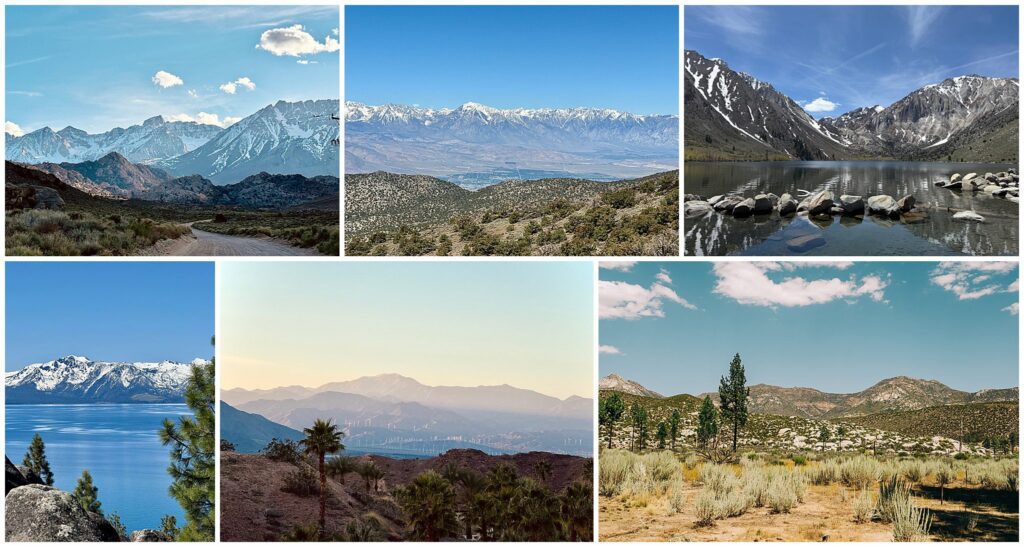
California Mountain Elopements
California’s mountain regions tend to attract couples who want cooler temperatures, fewer crowds, and a sense of scale that naturally encourages slowing down.
In addition to well-known mountain destinations like Yosemite National Park, Big Bear Lake, Lake Tahoe, and Idyllwild, the Eastern Sierra Nevada region is an especially compelling option for couples who want dramatic scenery.
The area around Bishop, CA in the Eastern Sierras offers an incredible range of environments within a relatively small driving radius. Places like June Lake, Convict Lake, Crowley Lake, and Mono Lake each have a distinct feel—from alpine lakes and jagged peaks to open high-desert landscapes and otherworldly terrain.

California Desert Elopements
Desert elopements are often chosen for their openness and simplicity. The landscape itself creates a sense of quiet, especially when ceremonies are planned around sunrise or sunset.
Places like Joshua Tree National Park, Palm Springs, and Death Valley National Park each offer a different version of the desert experience. Some couples are drawn to rugged rock formations and vast skies, while others prefer the architectural contrast and ease of access found in desert cities.
Desert locations tend to support elopement days built around light, movement, and intentional pacing rather than packed schedules.

Beach Elopements in California
California’s coastline offers a softer, more fluid experience. Ocean ceremonies tend to feel less contained, with sound, movement, and weather playing an active role in the day.
Areas like Big Sur, Santa Barbara, and the San Diego coastline combine dramatic scenery with accessibility, making them a strong option for couples who want a destination feel without extensive logistics.
Coastal elopements often work well for couples who want minimal hiking, easy guest access, and an atmosphere that feels relaxed rather than remote.

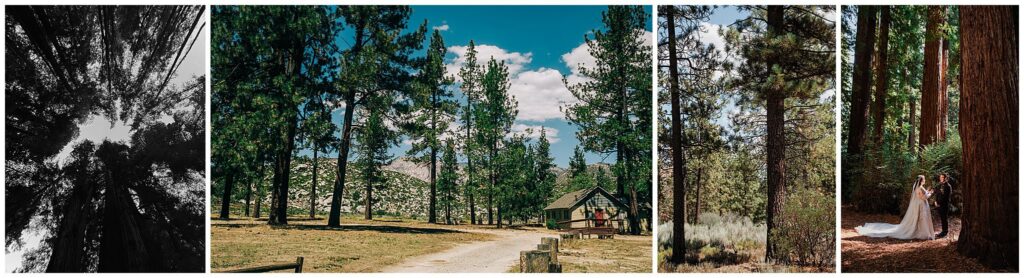
California Forest & Redwoods Elopements
For couples drawn to shade, stillness, and immersion, California’s forests and redwood regions offer a very different energy.
Locations such as Redwood National and State Parks, Sequoia National Park, and Muir Woods naturally slow the day down. The vertical scale of the trees, the filtered light, and the contained pathways tend to create quieter ceremonies and more focused moments.
Forest elopements often feel intimate even in popular areas, simply because the environment itself encourages a calmer pace.
Building a Timeline That Leaves Room to Be Present
Even the simplest elopement benefits from thoughtful pacing.
A good elopement timeline isn’t about efficiency. It’s about leaving space for the day to settle in. When couples aren’t rushing between locations or watching the clock, they’re more likely to stay present, grounded, and connected to what’s happening.
That often means fewer locations, longer transitions, and intentional pauses. It means allowing time to arrive somewhere, take it in, and move through the day without feeling pushed forward by logistics.
Elopement timelines don’t need to be rigid, but they do need breathing room. When the day isn’t packed too tightly, presence comes more easily—and the experience feels more meaningful because of it.
Choosing Vendors Who Support the Experience
When you elope, the people you bring into the day matter.
Your photographer, officiant, or planner should support the way you want the day to feel—not control it. The role of vendors in an elopement isn’t to manage or manufacture moments. It’s to create enough structure that you can relax into the experience.
My own approach to elopement photography is documentary-focused and experience-driven. I help couples think through locations, permits, and timeline flow so that the day can unfold naturally, without constant redirection or interruption.
The goal is not to perform for the camera. It’s to live the day and let it be documented honestly.
What Celebration Can Look Like When You Elope
Eloping doesn’t mean skipping celebration. It means defining it on your own terms.
For some couples, celebration is sharing a quiet drink together after the ceremony. For others, it’s personal vows, a long meal, a slow walk, or simply sitting together as the light changes. None of these moments need to be big or dramatic to be meaningful.
When celebration is intentional rather than performative, it tends to feel more personal—and more memorable—because it reflects how you actually connect with each other.
Letting the Day Unfold
Once the essentials are handled—licenses, permits if required, a loose timeline, and the details that matter to you—the most important part of eloping in California is letting go of control.
Elopements don’t need to be tightly managed to be successful. In fact, they’re often at their best when couples trust the planning they’ve done and allow the day to unfold as it will.
With clear expectations and realistic pacing, eloping in California can feel calm, grounded, and deeply personal—exactly what draws so many couples to this kind of wedding in the first place.


