


There’s a bit of a misconception that wedding photojournalism is something that just happens—that candid, meaningful images are the result of a photographer simply standing back and waiting for magic to unfold.
The truth is quieter, and more empowering than that.
Wedding photojournalism begins long before the wedding day. It starts with how the day is planned. With what you make space for. With what you decide matters enough to slow down for.
When couples feel rushed, over-stimulated, or pulled in too many directions, the story of the day reflects that. When couples are present, grounded, and intentional with their time, the photographs do too.
This isn’t about perfection. It’s about presence.

Wedding Photojournalism Is About Experience, Not Performance
True wedding photojournalism isn’t about curating moments for the camera. It’s about documenting what actually unfolds when you’re allowed to be fully in it.
The best documentary wedding photographs don’t start with instructions. They start with experiences:
quiet mornings that aren’t rushed; real conversations instead of staged interactions; and space to feel what’s happening as it’s happening.
When your wedding day is designed around how you want to experience it—not how it’s supposed to look—the moments naturally become more honest. More layered. More human.
That’s the foundation photojournalism needs to work.
Why the Timeline Matters More Than You Think
Your wedding timeline is not just a logistical tool. It’s a framework for how your day feels.
A timeline that’s packed to the edges leaves little room for emotional processing, much less organic interactions or for moments that unfold without being prompted.
Wedding photojournalism depends on breathing room. It relies on the unscheduled minutes, the pauses between events, the unplanned reactions that happen when you’re not being shuffled from one thing to the next.
This doesn’t mean your day has to be unstructured. It means your timeline should be intentional—built to support real experiences instead of squeezing them out.

Planning Choices Shape What Can Be Documented
Every planning decision you make influences the kind of story that can be told.
Choosing to get ready together instead of separately changes the tone of the morning. Building in time with your parents creates space for meaningful, unscripted interactions. Opting for a first look—or choosing not to—affects how the emotional arc of the day unfolds.
None of these choices are right or wrong. What matters is that they’re yours.
Wedding photojournalism works best when the day reflects your values, your relationships, and the way you naturally connect—not a checklist of expectations.
Documentary Coverage Isn’t Hands-Off—It’s Thoughtfully Planned
There’s a myth that documentary photographers don’t guide or plan. In reality, the opposite is true.
Thoughtful planning is what allows a photographer to step back when it matters most.
When timelines are built with intention, when expectations are aligned, when the day isn’t structured around constant photo breaks, the photographer doesn’t need to intervene. The moments happen on their own.
That’s not accidental. That’s preparation doing its job.
What This Means for Couples Who Want Real Photos
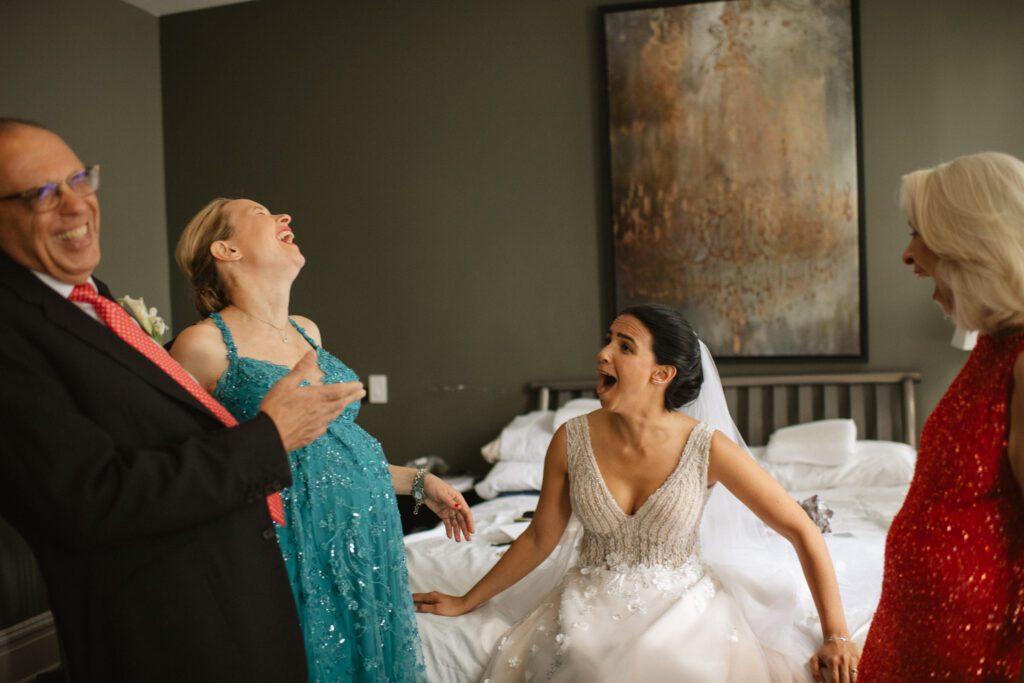
If you’re drawn to wedding photojournalism, it’s likely because you want photographs that feel honest—images that remind you not just what your day looked like, but how it felt.
That starts with permission.
Permission to plan a day that reflects your relationship.
Permission to slow down.
Permission to let moments unfold without worrying about how they’ll photograph.
When the focus shifts from performing the day to living it, the story becomes richer. And that’s where wedding photojournalism shines.
The Day Comes First. The Photographs Follow.
Wedding photojournalism doesn’t begin with a camera. It begins with intention.
With planning choices that prioritize experience over optics. With timelines that leave room for humanity. And with a willingness to trust that the most meaningful moments aren’t the ones you schedule.
When the day is planned with care, the photographs don’t need to be forced. They simply tell the truth.


