


The Difference Isn’t the Photos — It’s How Your Wedding Day Feels
“Documentary-style wedding photography” has become one of the most overused terms in the wedding industry.
It’s often treated as interchangeable with “candid,” and while most photographers take candid photos at some point during a wedding day, candid moments alone do not make a photographer documentary. Documentary wedding photography is defined by approach, not aesthetics.
This difference matters more than most couples realize—because the way your photographer works directly shapes how your wedding day unfolds. Not just how it looks afterward, but how present, relaxed, and grounded you’re able to be while it’s happening.
Understanding the difference between documentary and editorial wedding photography helps you choose an experience that actually aligns with how you want to get married.


What Documentary Wedding Photography Actually Is
An experience-first approach that documents your day as it unfolds
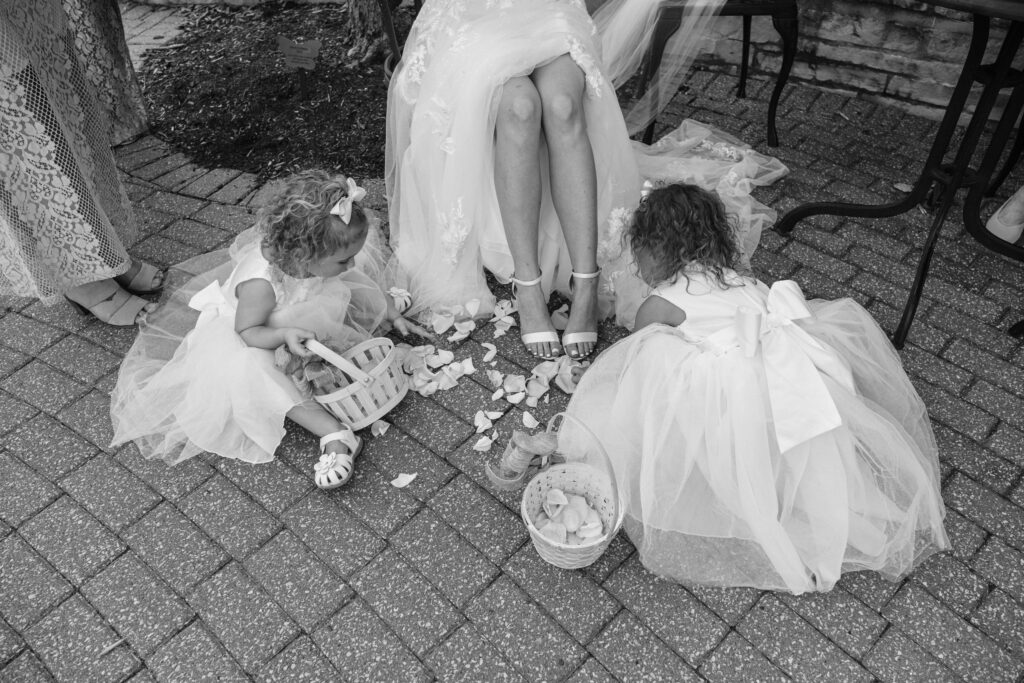
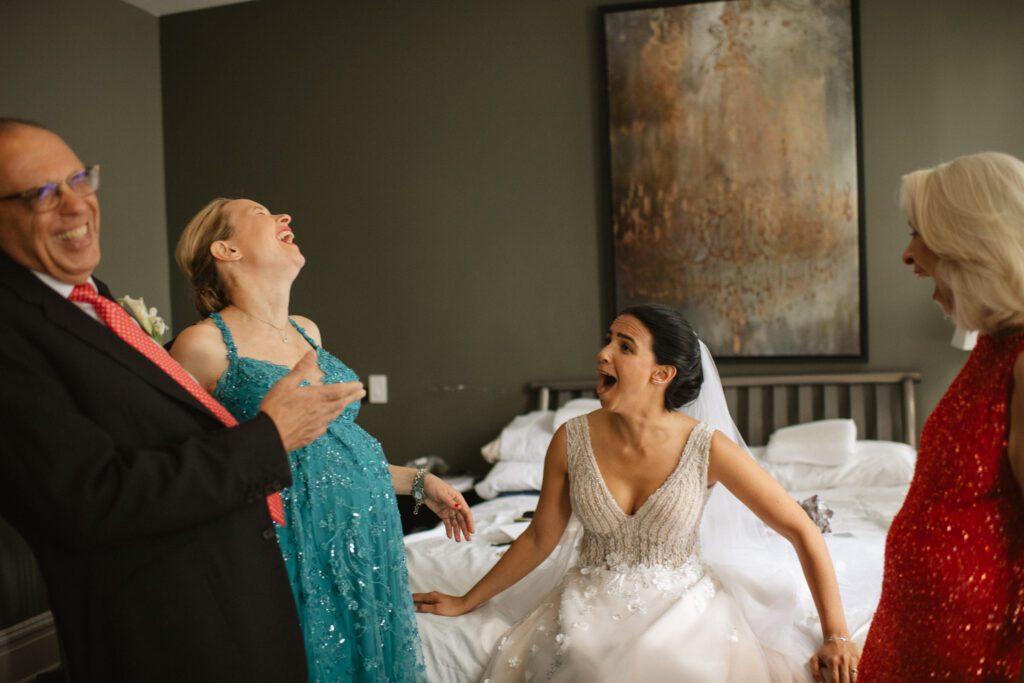
Documentary wedding photography focuses on capturing a wedding day as it happens, without interference, staging, or direction from the photographer.
The emphasis isn’t on manufacturing moments or creating a curated look. It’s on documenting real interactions, natural movement, and genuine emotion in real time. The photographer’s role is observational, not directive.
A true documentary approach prioritizes:
- Presence over perfection
- Real interactions over curated moments
- Experience over aesthetics
- Trust over control
This allows your wedding day to move naturally. You’re not being prompted, positioned, or corrected. You’re simply allowed to exist within the experience while it’s being documented honestly.
What Documentary Wedding Photography Looks Like in Practice
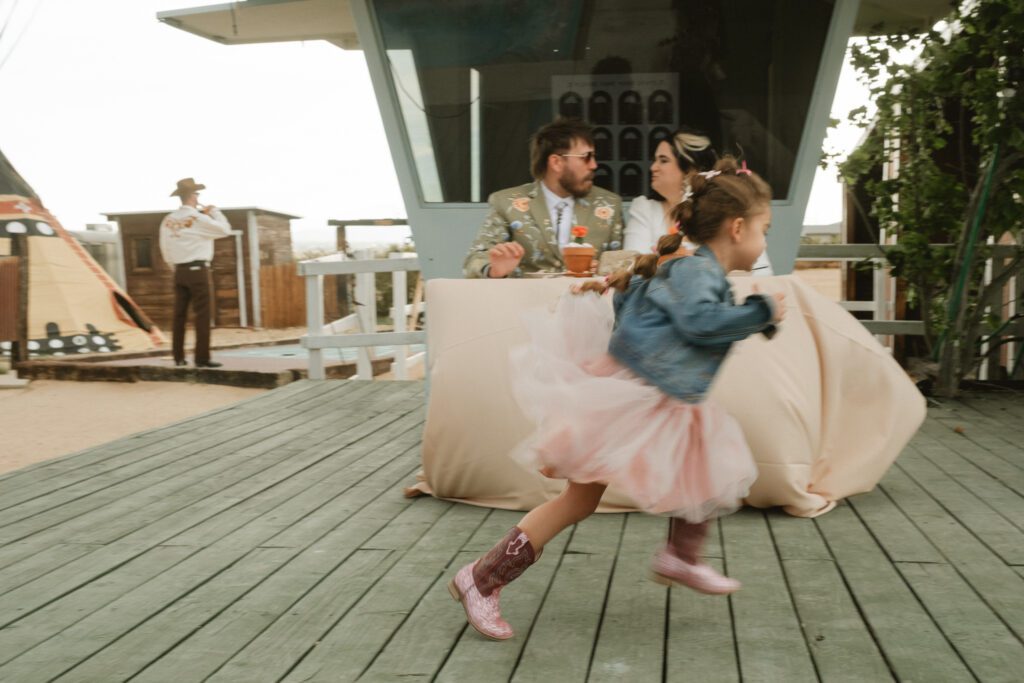
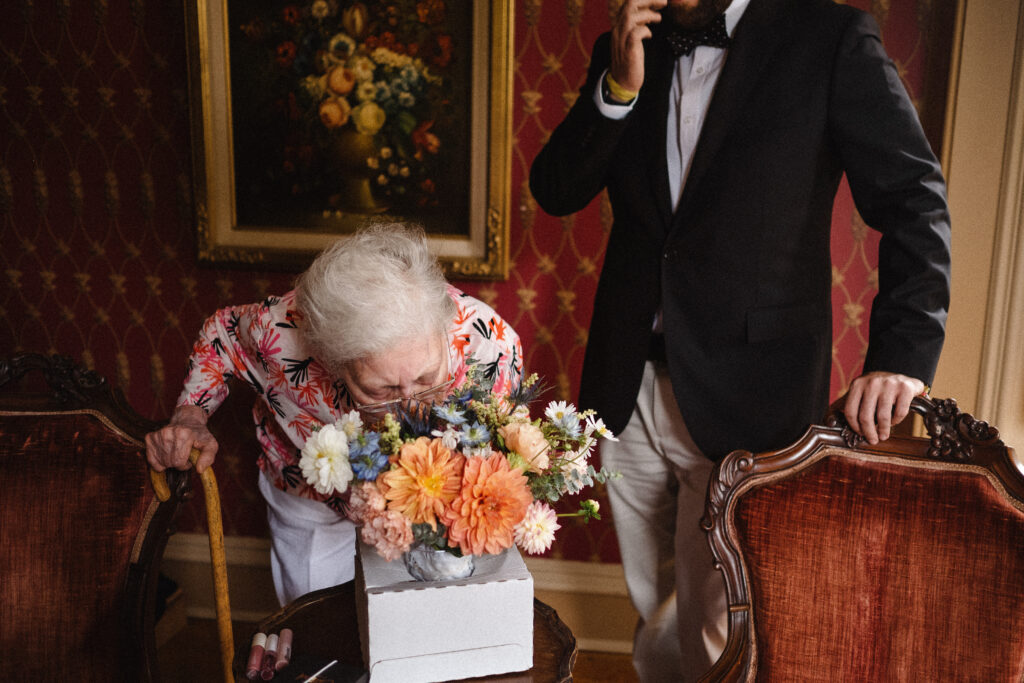
Real moments, real reactions, and no reenactments
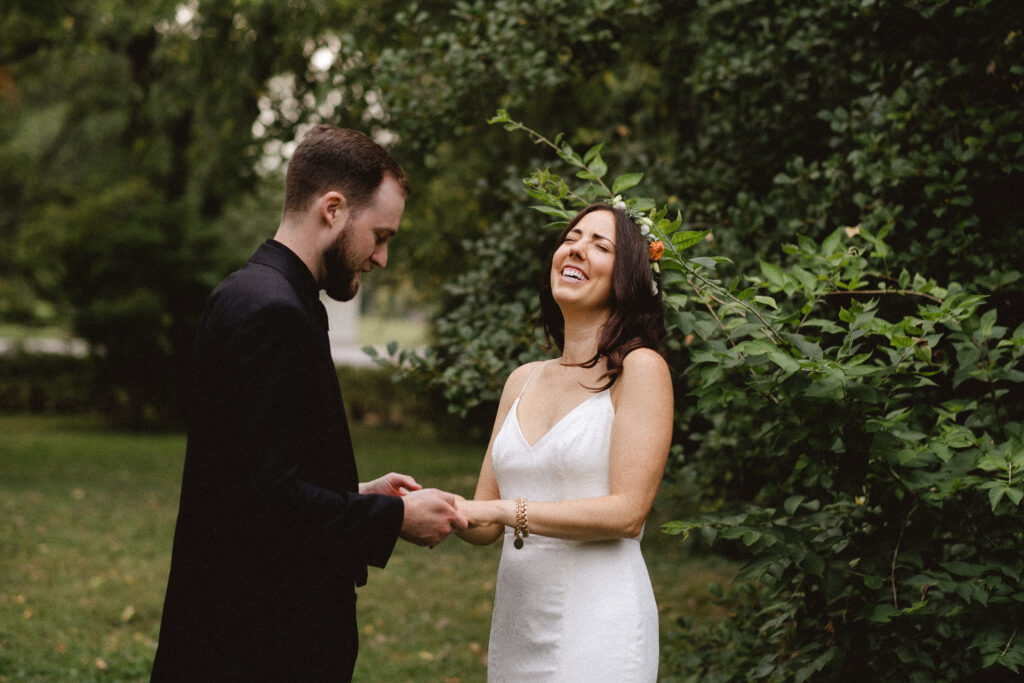
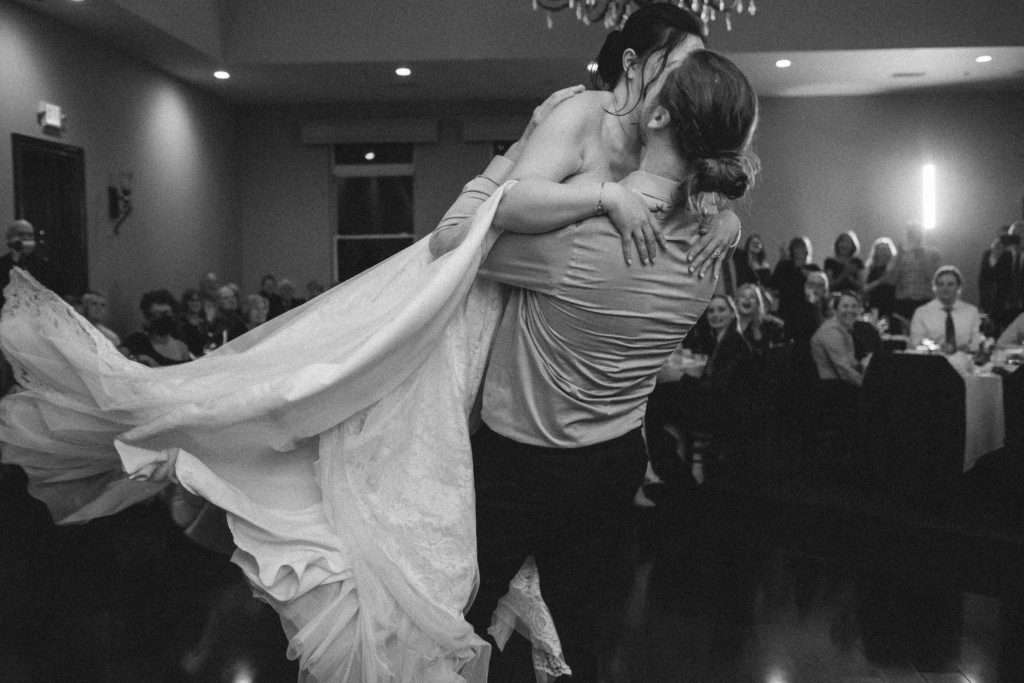
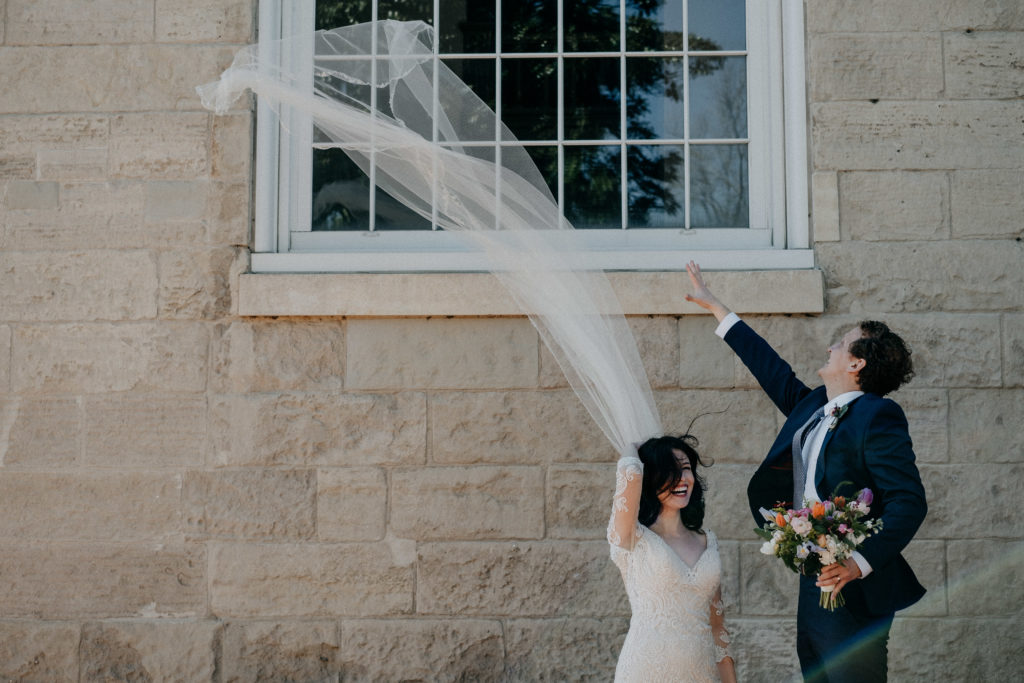
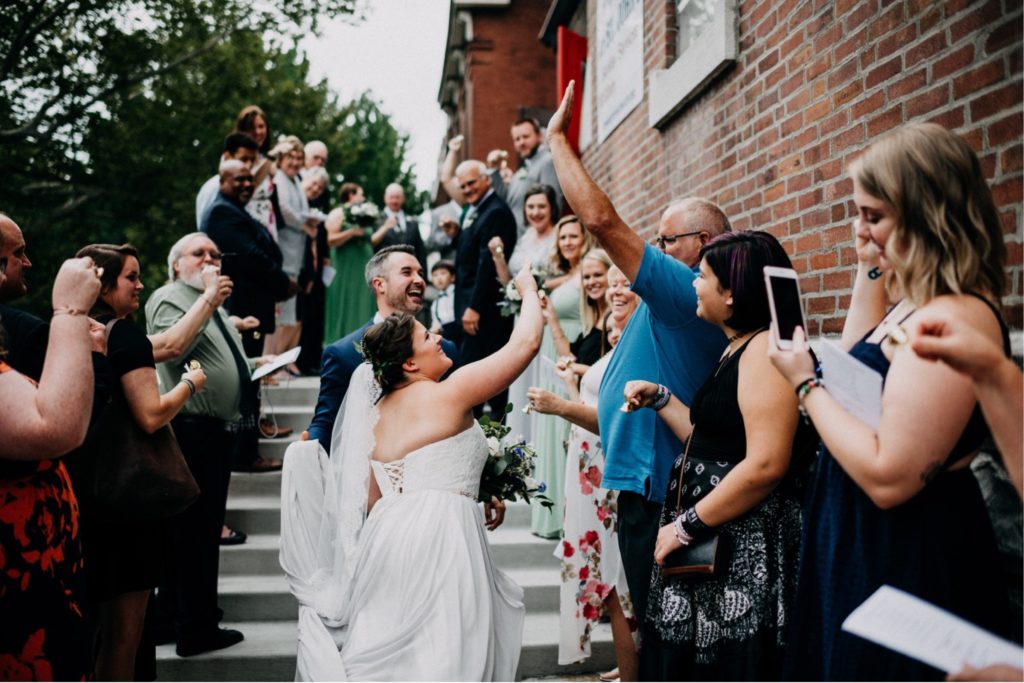
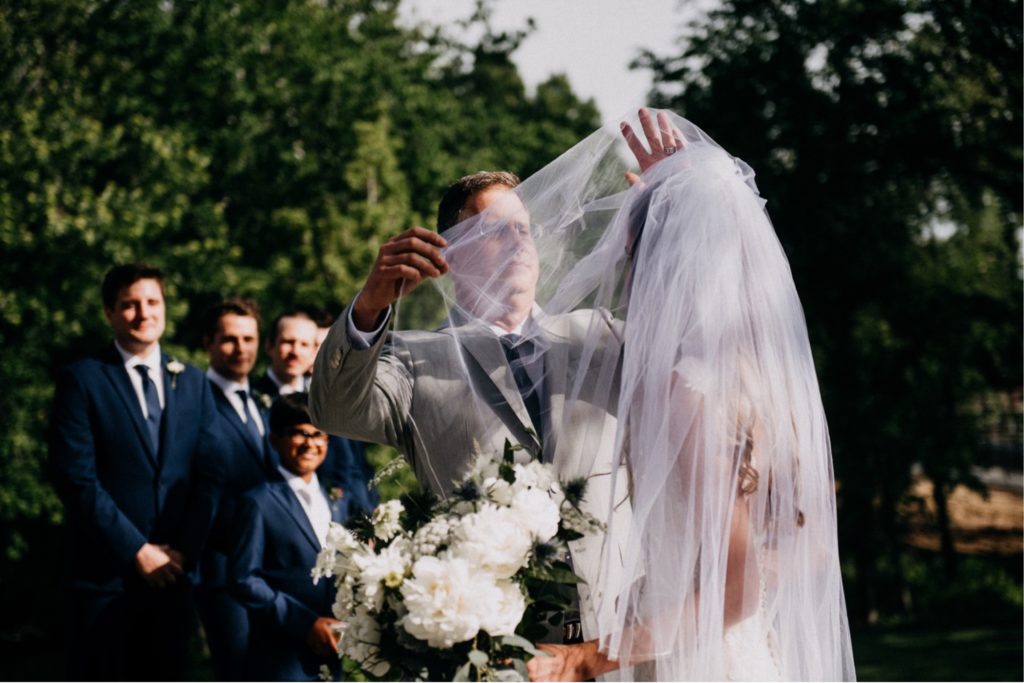
Documentary coverage centers on moments that naturally carry meaning—whether or not they were planned.
That might be:
- The way your partner grips your hand during vows
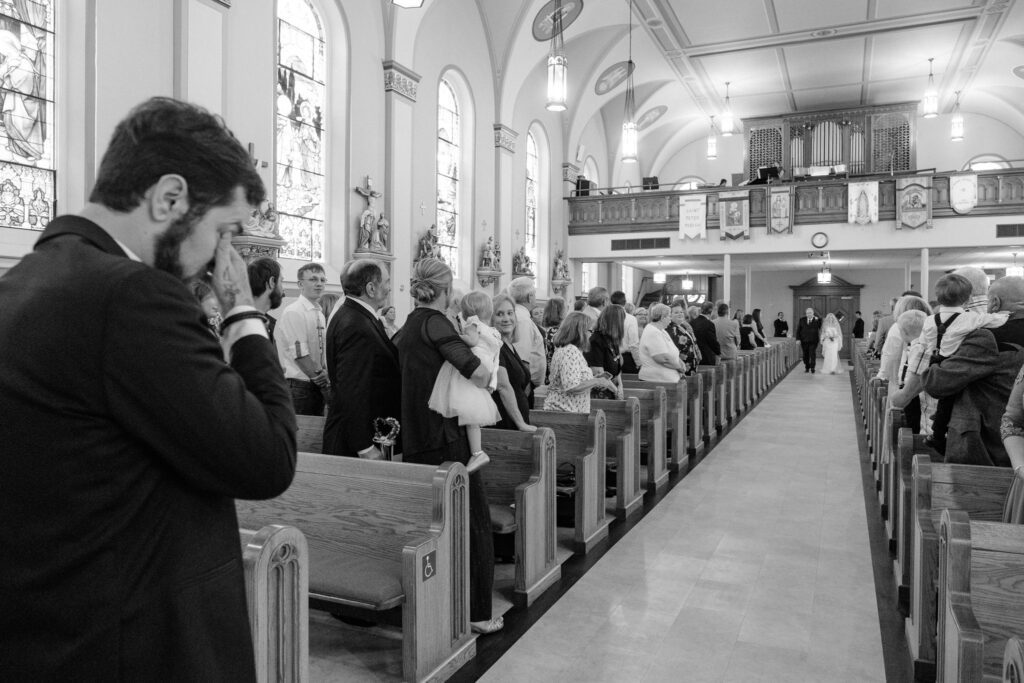
- A parent’s quiet reaction during the ceremony
- Unfiltered laughter during toasts
- The pause before a hug or the breath before a kiss
- The in-between moments no one staged
These moments aren’t recreated or guided. They’re noticed.
A documentary photographer anticipates rather than directs. They pay attention to what’s unfolding instead of stepping in to shape what should happen next.
The result is a wedding gallery that feels lived-in rather than performed.

What Editorial Wedding Photography Is
A curated, aesthetic-driven approach rooted in direction and styling
Editorial wedding photography comes from a different lineage—one rooted in fashion, magazines, and luxury branding.
The goal is to craft a specific visual narrative. Images are intentionally designed through guided posing, prompts, and structured portrait time. Even moments meant to appear candid are often shaped behind the scenes.
An editorial approach typically prioritizes:
- Visual cohesion and polish
- Styled or guided moments
- Prompt-based interaction
- Timelines built around portrait creation
Many couples are drawn to this style because they value the finished look and enjoy being guided through the process. Editorial photography isn’t wrong—it simply creates a very different wedding day experience.
The Real Difference Between Documentary and Editorial Photography
Experience versus performance
The most meaningful difference between documentary and editorial wedding photography isn’t the final images—it’s what’s required of you during the day.
Editorial photography asks for participation. You’re directed, prompted, repositioned, and sometimes asked to repeat moments. The day often feels structured around image creation.
Documentary photography removes that layer.
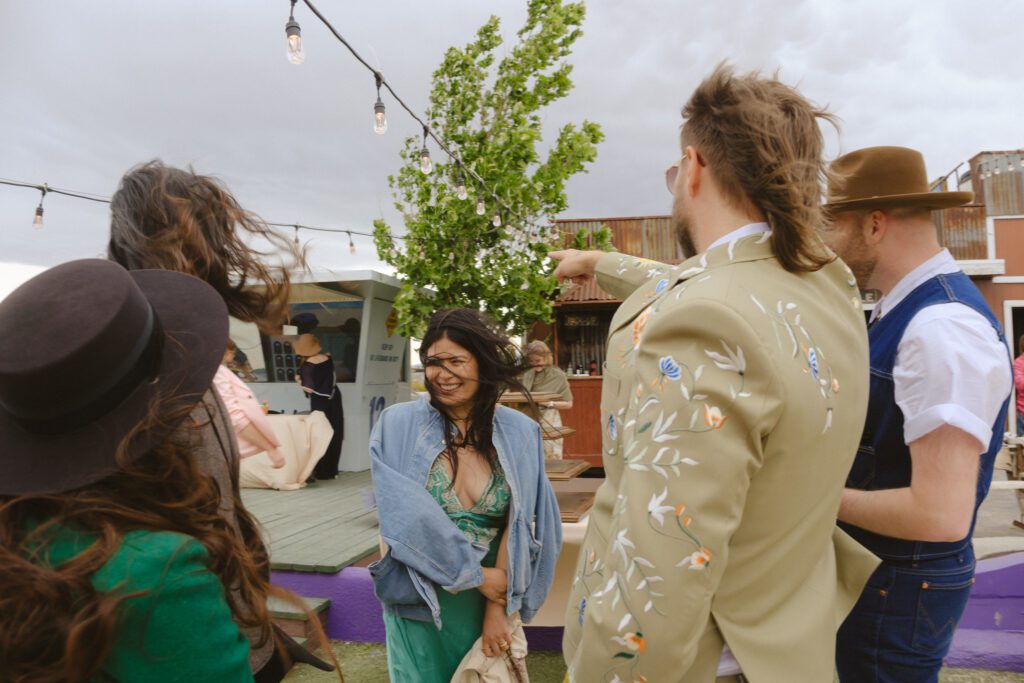
Instead of performing for the camera, you’re free to stay present with each other and the people around you. There’s no pressure to recreate emotions or be aware of how you look in every moment.
For many couples, that difference is subtle—but deeply felt.
Why This Distinction Matters on Your Wedding Day
Because how your photographer works affects how present you can be
When a wedding day is heavily directed, people tend to become self-conscious. Movements stiffen. Emotions get filtered. Attention shifts away from the moment and toward how it’s being captured.
Documentary wedding photography protects the natural rhythm of the day. It allows moments to breathe instead of being managed. It respects that meaning doesn’t need to be manufactured to be worth documenting.
Your wedding photos should have a backstory that doesn’t start with:
“The photographer told us to…”
They should feel like memories—not reenactments.
Choosing the Right Wedding Photography Approach for You
Alignment matters more than trends
Neither documentary nor editorial wedding photography is objectively better. They simply serve different priorities.
If you love structure, styling, and guided portrait creation, an editorial approach may feel exciting and aligned.
If you value ease, presence, and an experience that unfolds without interruption, documentary wedding photography may be a better fit.
The right photographer is the one whose approach supports how you want your wedding day to feel, not just how you want it to look afterward.
When that alignment is there, everything else falls into place.


