


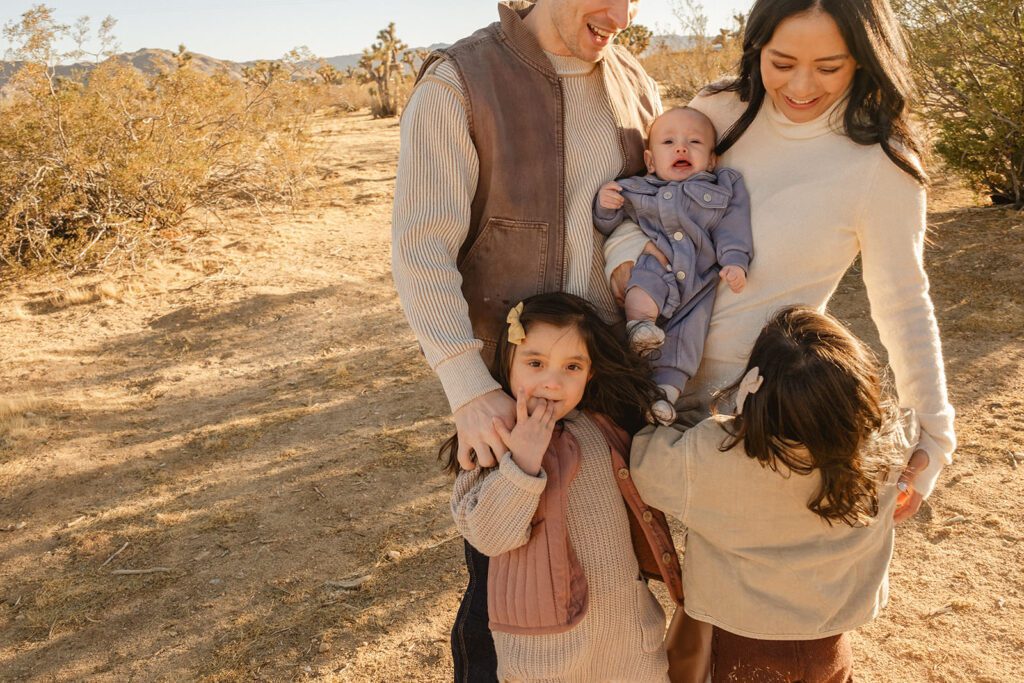
Family sessions in Joshua Tree tend to look different than traditional family photo sessions—and that’s intentional.
The landscape, the light, and the pace of the desert naturally encourage movement and interaction rather than stillness. When sessions are planned with that in mind, they often feel less like a photo appointment and more like time spent together.
This guide walks through what a Joshua Tree family session usually looks like and how to plan one that works with your family instead of against it.
Why Joshua Tree Works Well for Family Sessions
Joshua Tree has a way of slowing things down.
There’s space to walk, explore, and pause without constant interruption. Kids are able to move freely, and parents aren’t trying to manage behavior in a confined or overly structured environment.
Because the setting does so much of the work, sessions don’t rely on posing or constant direction. The environment supports natural interaction, which is often what families want most.
What a Joshua Tree Family Session Actually Looks Like
Most family sessions here are built around movement.
That might look like walking together, stopping to explore something nearby, sitting down for a moment, or simply spending time in one area without rushing. Kids aren’t expected to stand still or perform for the camera.
Instead of directing every moment, the session follows the family’s rhythm. That approach creates space for genuine connection to show up naturally.
Planning Around Your Kids (Not Against Them)
One of the biggest factors in a successful family session is timing.
Sessions scheduled around nap times, meal times, and energy levels tend to feel calmer for everyone involved. Early mornings or late afternoons are often ideal in Joshua Tree, both for comfort and for softer light.
When kids are comfortable, the session doesn’t need to be managed as tightly—and that benefits the photos just as much as the experience.
What to Wear Without Overthinking It
Family sessions in Joshua Tree work best when clothing feels comfortable and allows for movement.
Neutral tones, natural textures, and layers tend to photograph well against the desert landscape, but comfort always comes first. If kids can move easily and parents feel like themselves, the session flows more naturally.
You don’t need matching outfits or anything overly styled. The focus is on how your family interacts, not what everyone is wearing.

Why Activities Matter More Than Poses
Standing still and smiling at the camera rarely works for very long—especially with kids.
Family sessions in Joshua Tree are more successful when they’re built around simple activities: walking, rock-scrambling, exploring, or spending time together in a way that feels familiar.
Activities give kids something to engage with and give parents permission to relax. The result is photos that reflect how your family actually exists together, rather than how long everyone can hold a pose and a smile.
Letting the Session Be What It Is
Not every moment needs to be perfect to be meaningful.
Kids may wander. Someone may need a break. The pace may shift. That’s all part of documenting a real family at a real moment in time.
Joshua Tree family sessions leave room for that flexibility. When expectations are realistic, the experience feels easier—and the images tend to feel more honest.
Why Experience-Focused Sessions Matter
Families change quickly.
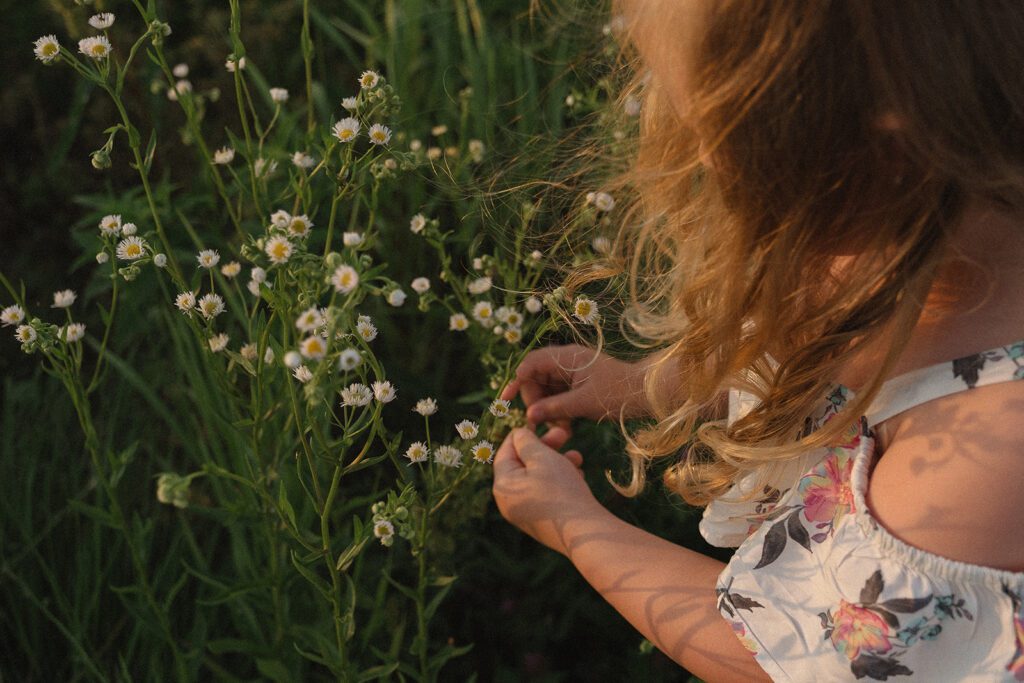
Sessions that prioritize experience over performance tend to age better, because they capture more than appearances. They document connection, movement, and the way a family felt together during that season.
That’s often what families value most when they look back.


