

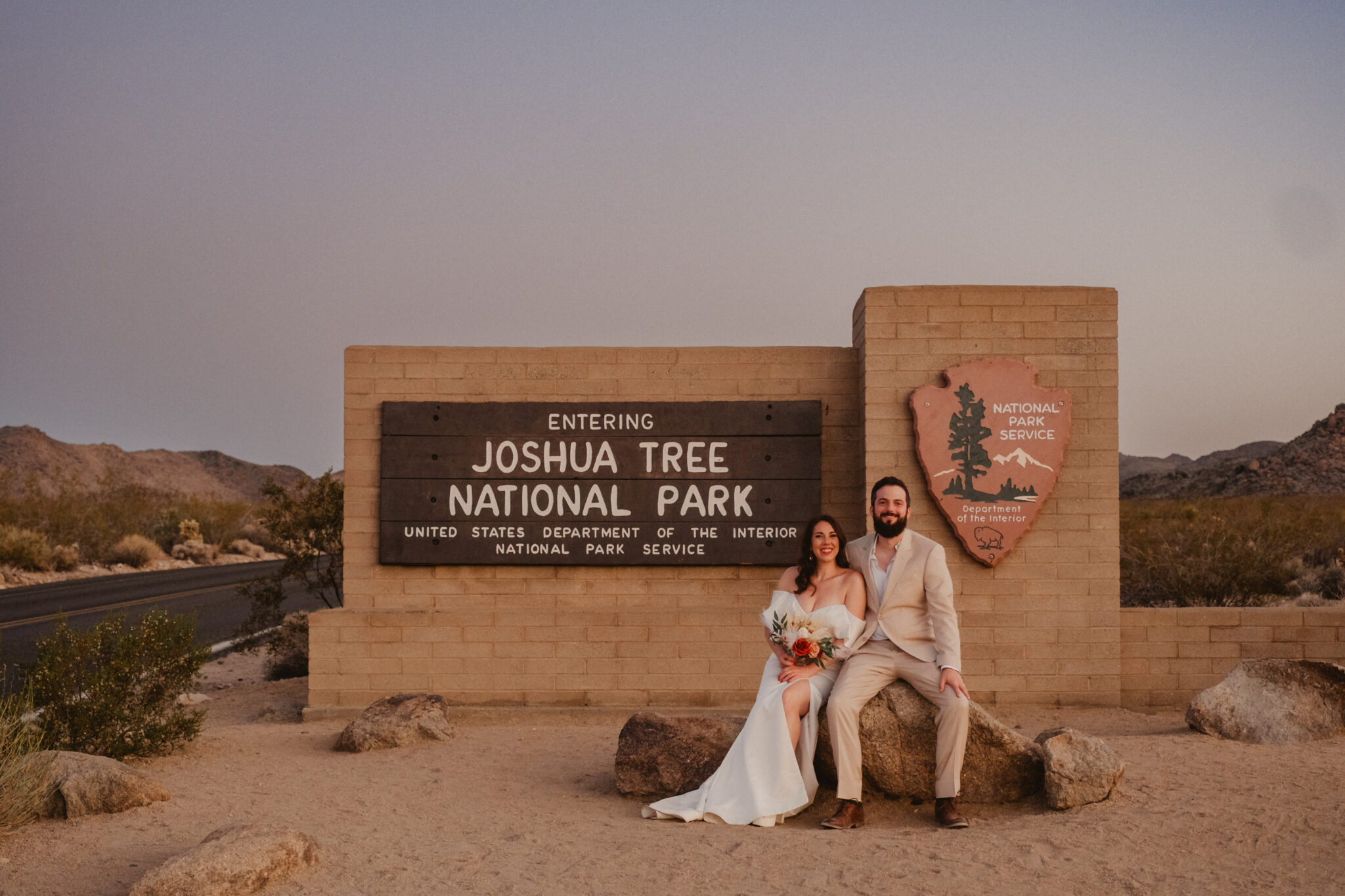
What couples actually need to know about hosting guests, choosing a venue, and creating a Joshua Tree Destination Wedding that feels intentional—not overwhelming.
Planning a destination wedding in Joshua Tree looks different than planning one in a traditional wedding town—and that difference matters.
Joshua Tree isn’t built around resorts, ballrooms, or centralized venues. Lodging is spread out across multiple towns. Many weddings happen at private properties or outdoor spaces. Guests are often flying in, driving long distances, or staying in a mix of Airbnbs, hotels, and short-term rentals. All of that shapes how the weekend actually unfolds.
A Joshua Tree destination wedding can feel relaxed, grounded, and deeply connected—or unnecessarily complicated—depending on how it’s planned.
This guide focuses on what actually matters when planning a destination wedding in Joshua Tree: how to think about venues, how to host guests without overplanning, why many celebrations naturally turn into wedding weekends, and how to build an experience that feels intentional instead of overproduced.

What Makes a Joshua Tree Wedding a “Destination” Wedding
It’s less about travel—and more about how the desert changes the structure of the day.
A destination wedding in Joshua Tree isn’t defined just by the fact that guests are traveling. It’s defined by the environment itself.
Unlike resort destinations where lodging, venues, and transportation are centralized, Joshua Tree weddings require a bit more intention. Guests are usually staying in different areas. Venues don’t operate like traditional banquet halls. And many of the things couples take for granted elsewhere—like built-in timelines or on-site coordination—simply don’t exist here in the same way.
What makes a Joshua Tree wedding a destination wedding is the shift in responsibility. Couples aren’t just planning a ceremony and reception; they’re setting the tone for an entire experience. That includes how guests arrive, where they stay, how they gather, and how much structure the weekend actually needs.
This doesn’t mean things have to be complicated. In fact, Joshua Tree weddings tend to work best when couples embrace simplicity early on—choosing fewer locations, clearer plans, and experiences that feel natural in the desert rather than forced into a traditional wedding mold.
When expectations are aligned with how Joshua Tree actually functions, destination weddings here in the hi-desert can feel easy, connected, and deeply intentional. But when expectations are not aligned or are unrealistic, even beautiful plans can start to feel stressful.
Choosing the Right Venue for a Destination Wedding in Joshua Tree
For a Joshua Tree destination wedding, venue function matters more than aesthetics.
When planning a destination wedding in Joshua Tree, the venue you choose does more than determine how your wedding looks—it shapes how the entire weekend feels for you and your guests.
Unlike traditional wedding destinations, Joshua Tree venues aren’t interchangeable. Some function like private homes that allow events. Others operate more like hospitality spaces where lodging and gathering coexist. A few are event-only locations where guests stay elsewhere and arrive just for the celebration.
The most important thing to understand early on is how your venue handles people, not just ceremonies.
Some venues are best suited for smaller, intimate groups who want to stay together on-site. Others can support larger guest counts but require a mix of on-site and off-site accommodations. In most cases, couples end up deciding whether they want to prioritize keeping everyone together, or hosting a larger destination wedding where guests stay in nearby towns and commute in.
This is especially relevant when planning a wedding weekend. Venues that include lodging—or are designed to host guests over multiple days—naturally support welcome dinners, casual hangouts, and slower pacing. Venues without lodging tend to work better for more structured, single-day celebrations.
The goal isn’t to find a venue that can “do everything.” It’s to choose a space that supports how you want to spend your time, how you want guests to interact, and how much structure you want the weekend to have.
When venue expectations are aligned with guest experience, destination weddings in Joshua Tree tend to feel grounded and easy. When they’re not, couples often end up compensating with extra logistics, tighter schedules, and unnecessary stress.
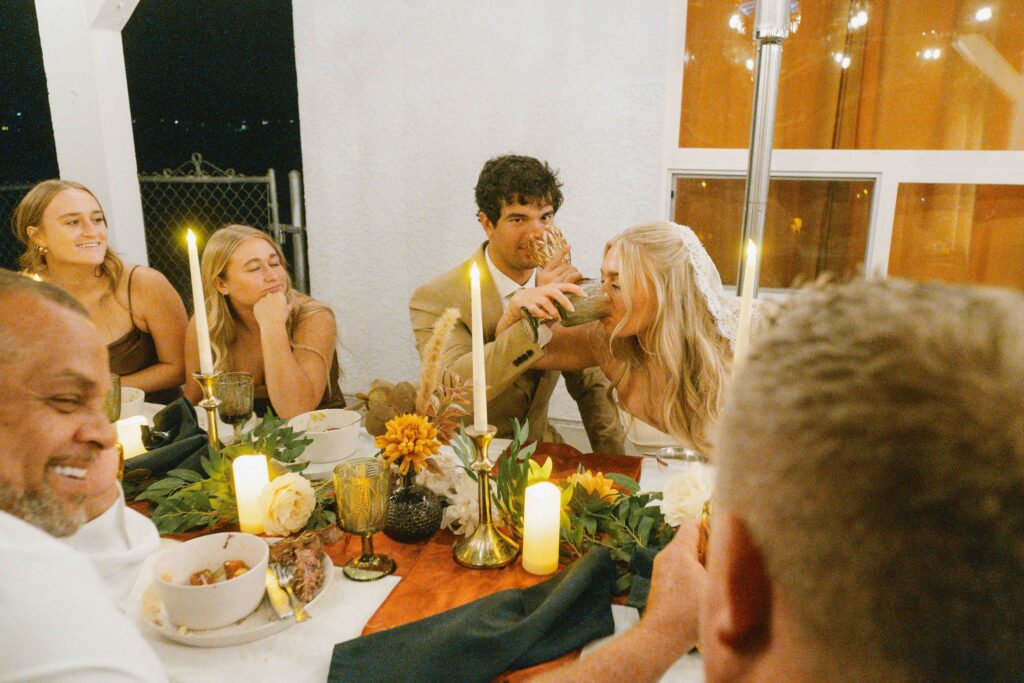
Hosting Guests in Joshua Tree (Without Overplanning)
Clear communication and shared time matter more than packed schedules.
Hosting guests for a destination wedding in Joshua Tree doesn’t require a full itinerary, welcome packets stuffed with activities, or a weekend that feels like summer camp with obligations. In fact, most guests don’t want that — they just want to know what’s happening, when it matters, and how to take care of themselves in an unfamiliar place.
Joshua Tree destination weddings work best when couples focus less on entertaining and more on creating opportunities to gather.
Because lodging is spread out and venues are often private properties or outdoor spaces, guests usually arrive with different travel schedules, energy levels, and expectations. Trying to manage everyone’s experience minute-by-minute tends to add stress without actually improving the weekend.
What guests typically need is simple:
- Clear information about where to stay and how far things are
- A general sense of when the main events happen
- One or two intentional moments to gather
That might look like a casual welcome drink, a shared meal, or time spent together at the venue before or after the wedding. It doesn’t need to be formal, themed, or scheduled down to the minute to feel meaningful.
One of the biggest mindset shifts with Joshua Tree destination weddings is letting go of the idea that you’re responsible for filling everyone’s time. Guests are usually happy exploring on their own, resting, or connecting organically — especially in a place that naturally encourages slower pacing and time outside.
This approach also creates space for you. When hosting expectations are relaxed, couples tend to be more present, less rushed, and more connected to the people who came to celebrate with them. The weekend stops feeling like a production and starts feeling like a shared experience.
Joshua Tree rewards simplicity. When plans are clear but flexible, guests feel taken care of without feeling managed — and the celebration feels grounded instead of overwhelming.

Why Many Joshua Tree Destination Weddings Become Wedding Weekends
When travel, space, and shared time naturally stretch the wedding celebration.
Many destination weddings in Joshua Tree don’t start out as wedding weekends—but they often become them anyway.
When guests are traveling from out of town, staying in nearby rentals, and gathering in a place that doesn’t revolve around a single venue or schedule, it’s natural for the celebration to spread out. Instead of cramming everything into one tightly packed day, couples often find that allowing the weekend to unfold creates a better experience for everyone involved.
Wedding weekends in Joshua Tree tend to be informal by design. A casual welcome gathering, a relaxed wedding day, and an easy next-day hang are often enough to make the time feel complete. There’s less pressure to “maximize” every hour and more room for conversation, rest, and shared moments that don’t need an agenda.
This structure also takes pressure off the wedding day itself. When guests have already arrived, settled in, and connected, the ceremony doesn’t carry the weight of being the only meaningful moment of the weekend. The focus shifts from performance to presence.
For couples, this often means:
- More time with the people who matter most
- Fewer rushed transitions
- A calmer, more spacious wedding day
A Joshua Tree wedding weekend isn’t about adding more events—it’s about giving the experience room to breathe. When that space exists, the celebration tends to feel more connected, less stressful, and far more memorable than a single, tightly scheduled day ever could.
Building a Joshua Tree Wedding Weekend That Still Feels Simple
Fewer expectations, fewer locations, and more room to actually enjoy the experience in Joshua Tree.
The easiest way to overcomplicate a destination wedding in Joshua Tree is to treat it like a traditional wedding weekend transplanted into the desert.
Joshua Tree doesn’t need layers of programming, themed events, or tightly scheduled activities to feel meaningful. In fact, the more couples try to control every moment, the more friction they tend to create—for themselves and for their guests.
Simple wedding weekends here usually share a few things in common:
- Fewer locations
- Clear but minimal plans
- Space for people to arrive, settle, and connect naturally
That might mean a low-key welcome gathering instead of a formal rehearsal dinner. It might mean a relaxed morning after the wedding rather than a planned send-off. It might mean choosing one central place to gather and letting the rest unfold organically.
The goal isn’t to do less because it’s trendy—it’s to do less because it allows everyone to be more present.
When couples plan a destination wedding weekend in Joshua Tree with simplicity in mind, the experience tends to feel calmer, more connected, and far more reflective of why everyone came together in the first place. The desert already sets the tone. You don’t need to compete with it.

Is a Destination Wedding in Joshua Tree Right for You?
It works best when expectations align with the environment—not against it.
A destination wedding in Joshua Tree isn’t the right fit for everyone—and that’s okay.
It works best for couples who are comfortable with a little informality, who don’t need everything to look or run the same way it would in a traditional venue, and who value shared experience over spectacle. It’s a good fit for those who want their wedding to feel grounded, spacious, and human.
If hosting guests in a nontraditional setting feels exciting rather than stressful, and if the idea of a relaxed wedding weekend sounds better than a tightly controlled timeline, Joshua Tree tends to meet couples where they are.
There’s no single blueprint for a destination wedding in Joshua Tree. The best celebrations are the ones built around clarity—about priorities, energy, and how you want the time to feel once it’s over.


