


A values-led approach to planning a wedding that actually feels like you
Intentional wedding planning isn’t about doing less for the sake of it.
It’s about choosing on purpose.
Instead of planning a wedding around expectations, trends, or what you think you “should” want, intentional planning invites you to slow down and ask a different set of questions:
What matters to us?
What kind of experience do we want to have?
What do we want to remember when this day is over?
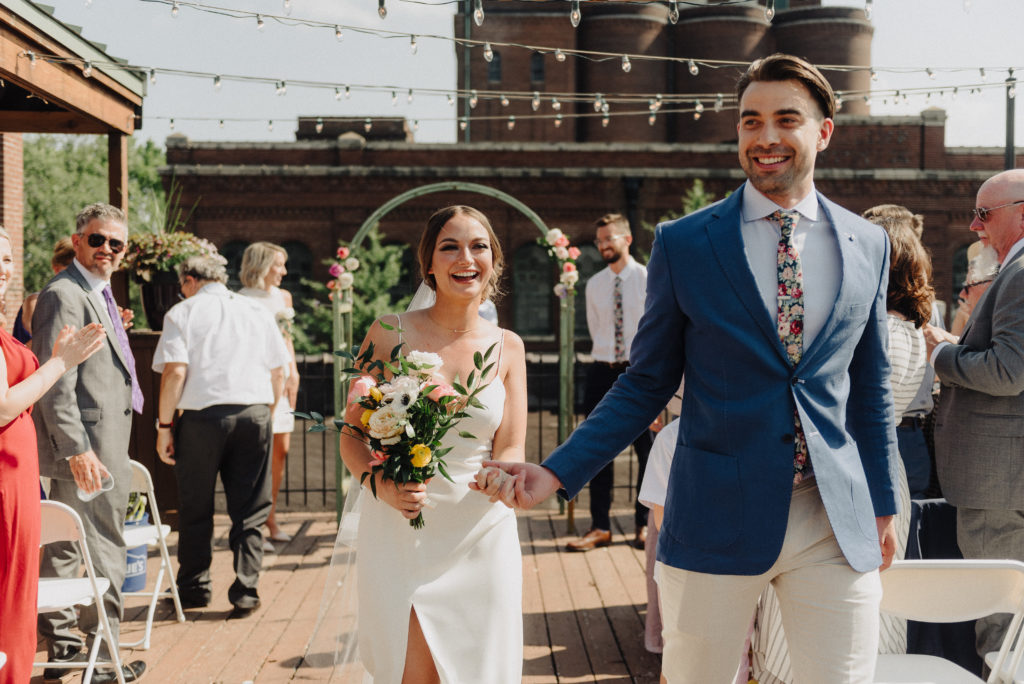
When you plan with intention, your wedding stops feeling like a production you’re managing and starts feeling like a celebration you’re living.
This guide isn’t about perfection or minimalism or following a rigid philosophy. It’s about creating a wedding that feels aligned, grounded, and genuinely meaningful — for you and the people you’ve chosen to share it with.
Planning a wedding can feel overwhelming, but intentional wedding planning allows you to create a celebration that is meaningful, stress-free, and completely aligned with your values. Instead of getting caught up in external expectations, you can focus on what truly matters—your love, your story, and the experience you want to share with your guests.
This guide will help you approach your wedding planning with mindfulness and intention, ensuring that every decision reflects what’s most important to you. Let’s ditch the pressure and plan a wedding that feels right.
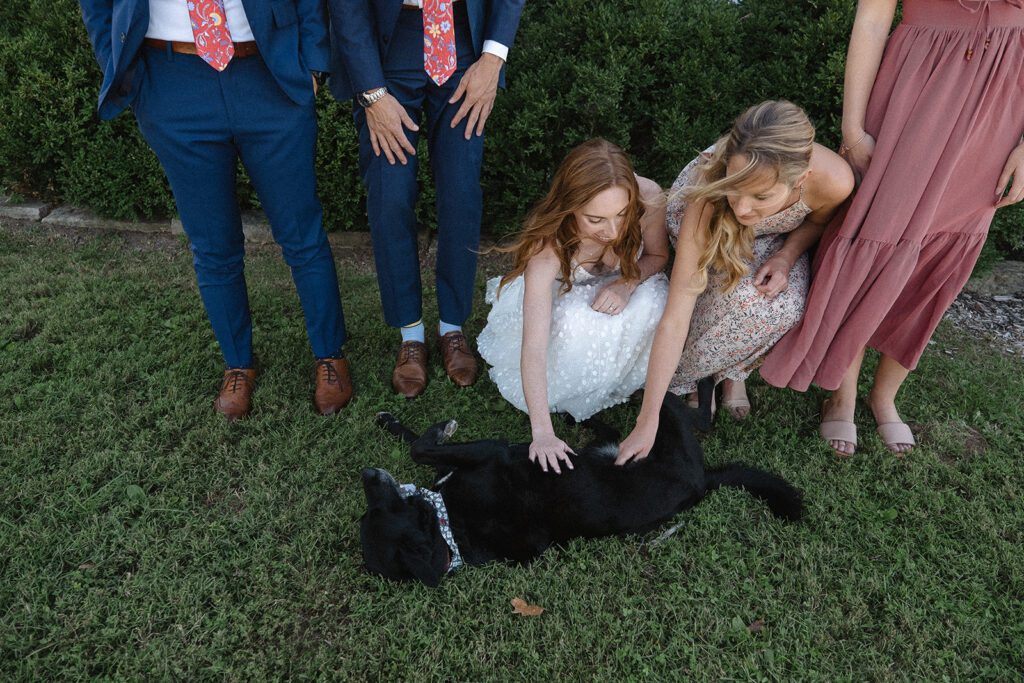
Start With How You Want the Day to Feel
Experience matters more than aesthetics
Before you think about colors, florals, or décor, it helps to zoom out.
Intentional wedding planning begins by focusing on experience rather than appearance. Not what the day looks like in photos, but how it feels to move through it.
When you imagine your wedding day, consider the full arc of the experience. Where are you waking up? Who are you spending that morning with? What kind of energy do you want around you — calm and quiet, joyful and lively, somewhere in between?
Some couples imagine a slow, grounded day filled with meaningful conversation and shared meals. Others picture a celebratory atmosphere with music, movement, and lots of laughter. Neither is more “intentional” than the other. What matters is choosing a direction that reflects who you are together.
When decisions are guided by feeling rather than aesthetics alone, everything else tends to fall into place more naturally.
Make Decisions Based on Meaning, Not Obligation
You don’t have to do something just because it’s expected
One of the most common sources of wedding stress comes from obligation.
Traditions, timelines, and guest expectations can quietly pile up until you’re planning a wedding that doesn’t actually feel like yours anymore. Intentional planning invites you to pause and ask whether each decision adds meaning — or simply adds pressure.
You’re allowed to keep the traditions that resonate and release the ones that don’t. You’re allowed to choose vendors who understand your priorities. You’re allowed to prioritize experiences over details that don’t actually enhance the day.
When choices are made thoughtfully rather than reactively, the planning process itself becomes calmer — and the wedding day feels more authentic as a result.
Curate Your Guest List With Care
Fewer people can mean deeper connection
Who you invite shapes how your wedding day feels.
Intentional guest curation isn’t about exclusion — it’s about alignment. When the people around you are those who truly know and support you, the day tends to feel more relaxed and emotionally safe.
Smaller guest counts often allow for more meaningful interaction, less rushing, and fewer social obligations pulling you in different directions. Instead of brief hellos and surface-level conversation, there’s room for real connection.
This doesn’t mean your wedding has to be small to be intentional. It simply means being honest about who you want to share this moment with — and why.
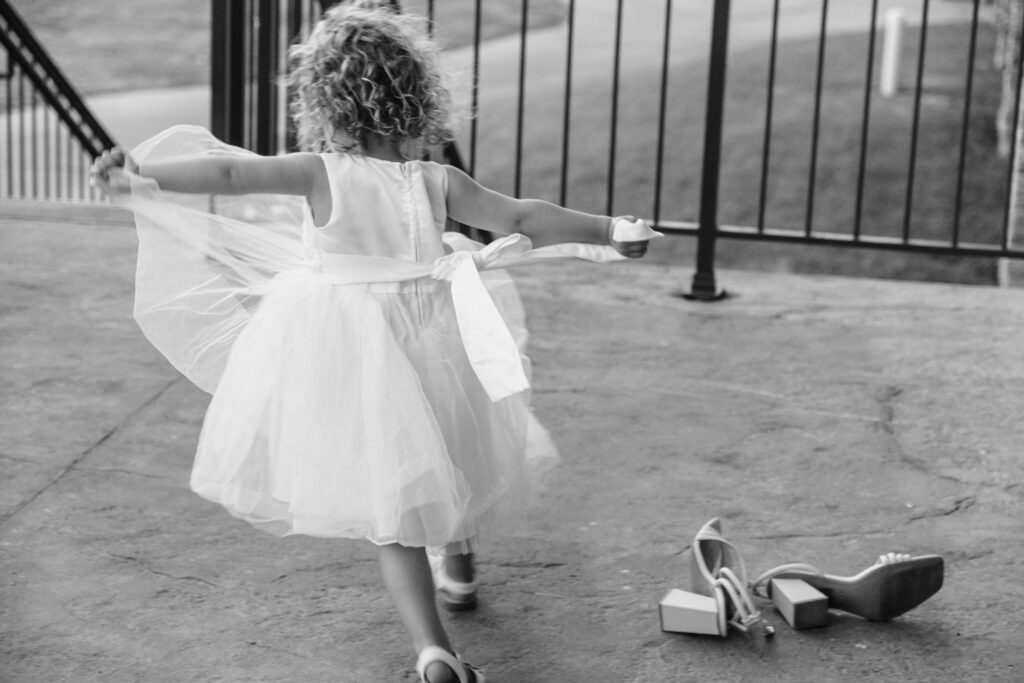

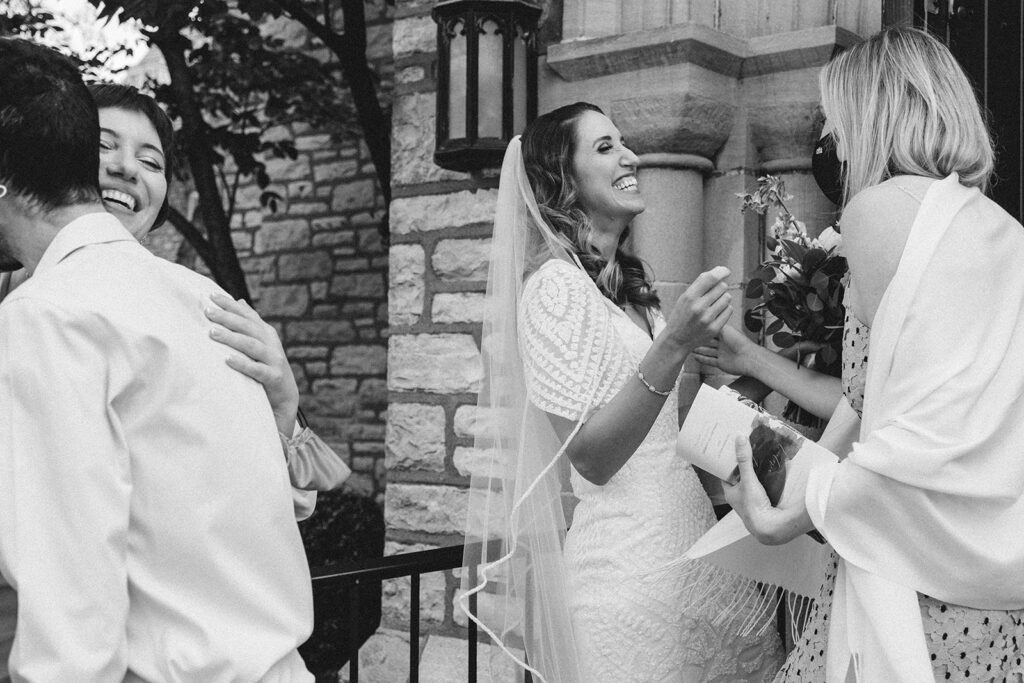
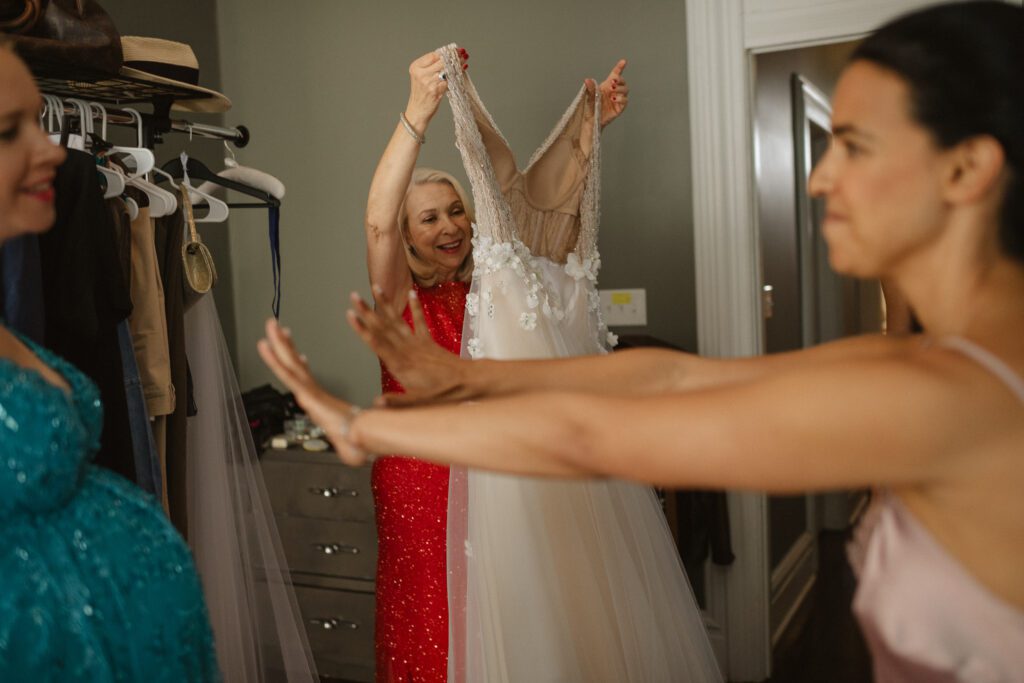


Spend Where It Enhances the Experience
Mindful budgeting supports a better day for everyone
Intentional wedding planning doesn’t mean cutting costs across the board. It means spending with clarity.
When you know what matters most to you — whether that’s photography, food, music, or the overall atmosphere — your budget becomes a tool rather than a source of stress. Money goes toward things that actually enhance the experience instead of checking boxes.
Some details look beautiful but don’t meaningfully contribute to how the day feels. Others, like good food, comfortable spaces, and thoughtful pacing, have a lasting impact on both you and your guests.
A meaningful wedding isn’t defined by how much you spend, but by how intentionally those choices are made.


Stay Grounded Throughout the Planning Process
The engagement period matters too
Wedding planning can be emotionally demanding. There are decisions to make, opinions to navigate, and financial considerations to manage — all while continuing to live your actual life.
Intentional planning includes caring for yourselves during the process. Checking in with each other, setting boundaries around external input, and making space for non-wedding conversations helps keep your relationship at the center of it all.
When planning becomes overwhelming, returning to your original intentions can be grounding. Why are you doing this? What do you want this season of life to feel like? Keeping those answers close helps prevent burnout and resentment from creeping in.
Build Presence Into the Wedding Day Itself
Intention only works if there’s space to experience it
Presence doesn’t happen by accident — it’s something you plan for.
Building buffer time into your timeline, creating moments of pause, and resisting the urge to over-schedule allows you to actually experience the day as it unfolds. Slow mornings, intentional transitions, and quiet moments together can be just as meaningful as the ceremony itself.
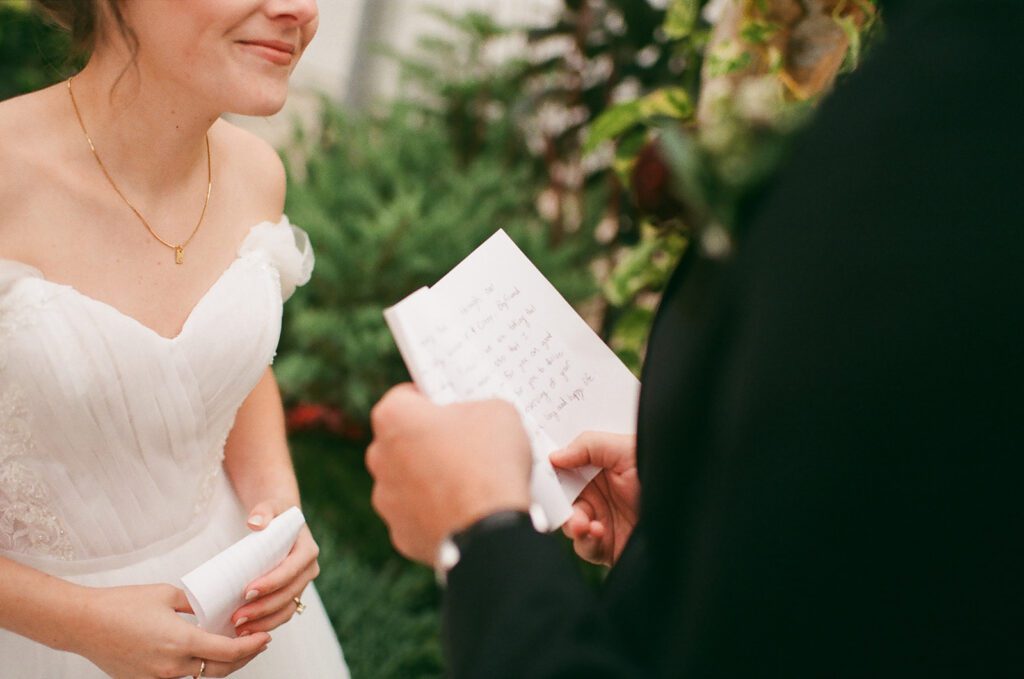
When the day isn’t rushed, it’s easier to stay grounded. Easier to feel emotions as they come. Easier to remember what it was like to be there.


Make Room for Real Connection
Time together matters more than staged moments
Your wedding day is also about the people who love you.
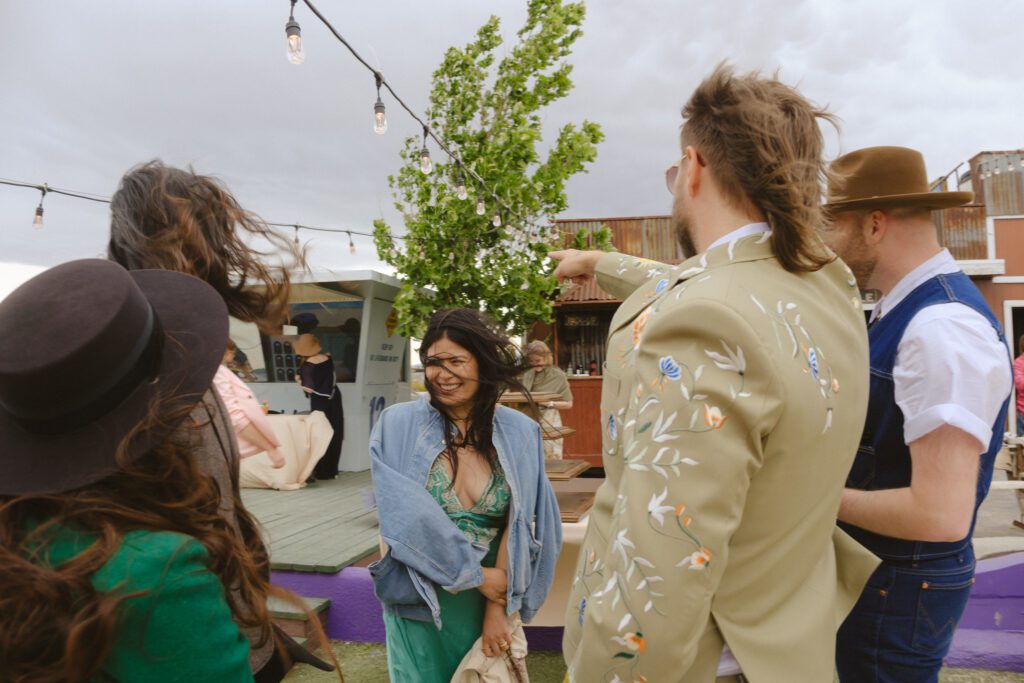
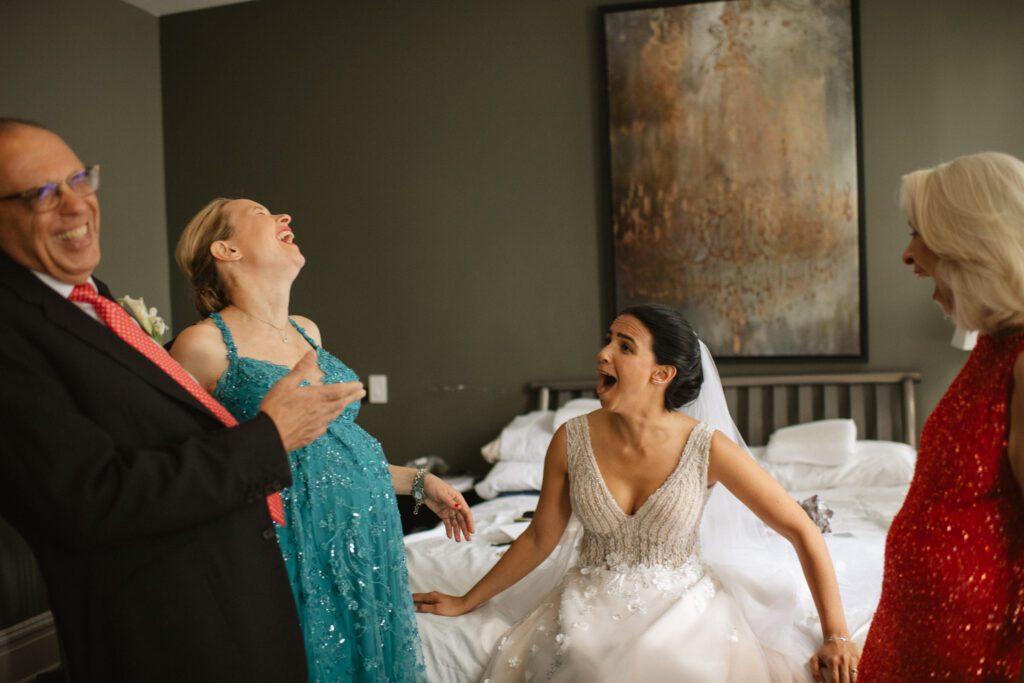
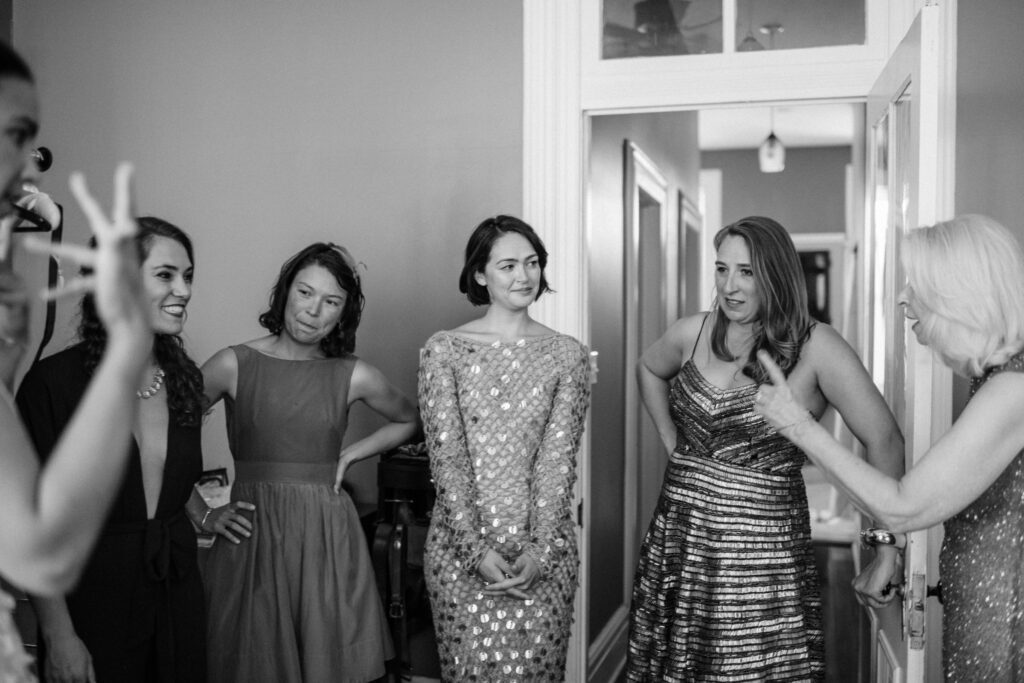
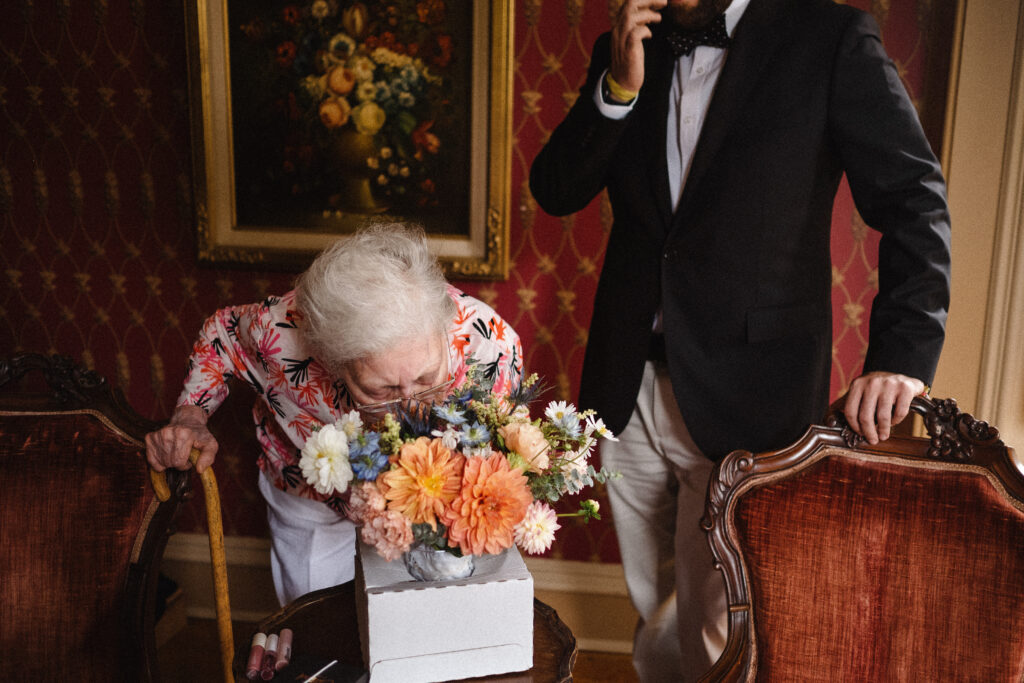
Instead of filling the schedule with tightly orchestrated moments, intentional planning encourages time for genuine interaction — sitting together, sharing stories, laughing, and simply being present with one another.
These moments often become the ones you remember most, not because they were planned perfectly, but because they felt real.
Let Go of Perfection and Trust the Day
What unfolds naturally is often what matters most
Weddings are unpredictable. Weather shifts. Timelines flex. Emotions surprise you.
Intentional planning doesn’t eliminate uncertainty — it creates resilience. When you release the need for everything to go exactly as planned, you make space for the day to be what it is.
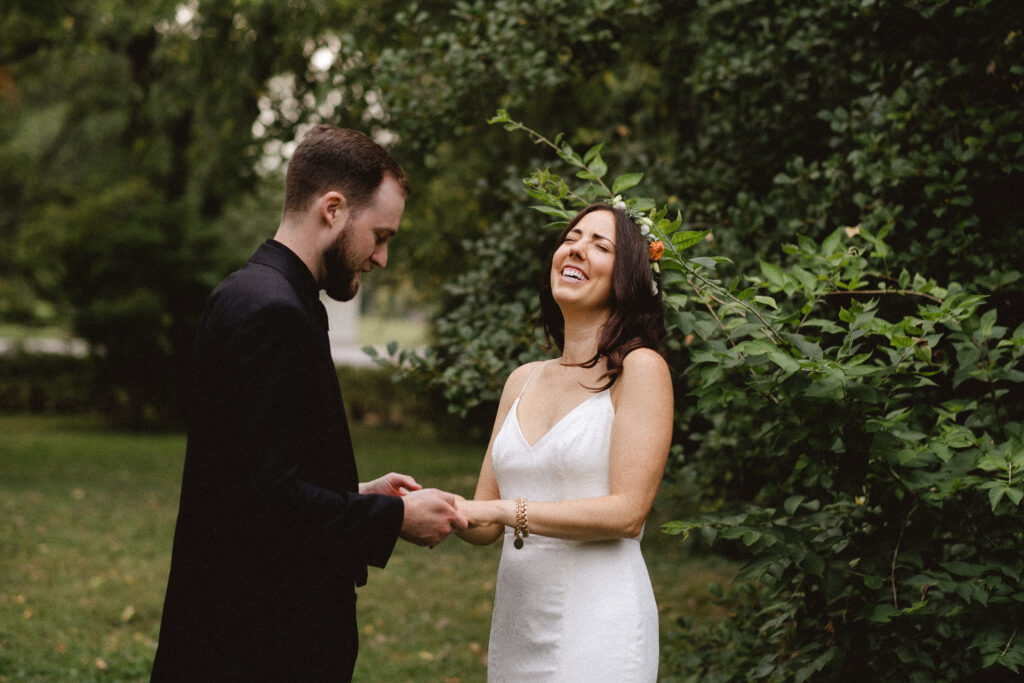
What matters isn’t whether every detail aligns perfectly, but whether you’re able to stay present within the experience. When expectations loosen, joy has more room to exist.

Your Wedding, Planned With Intention
At its core, intentional wedding planning is about alignment.
When your choices reflect your values, your wedding day feels grounded rather than overwhelming. The experience becomes less about managing logistics and more about honoring the commitment you’re making.
An intentional wedding doesn’t look one specific way. It simply feels true.
And when your day is planned with care and documented with respect for the experience, the memories that remain are honest, meaningful, and deeply yours.


